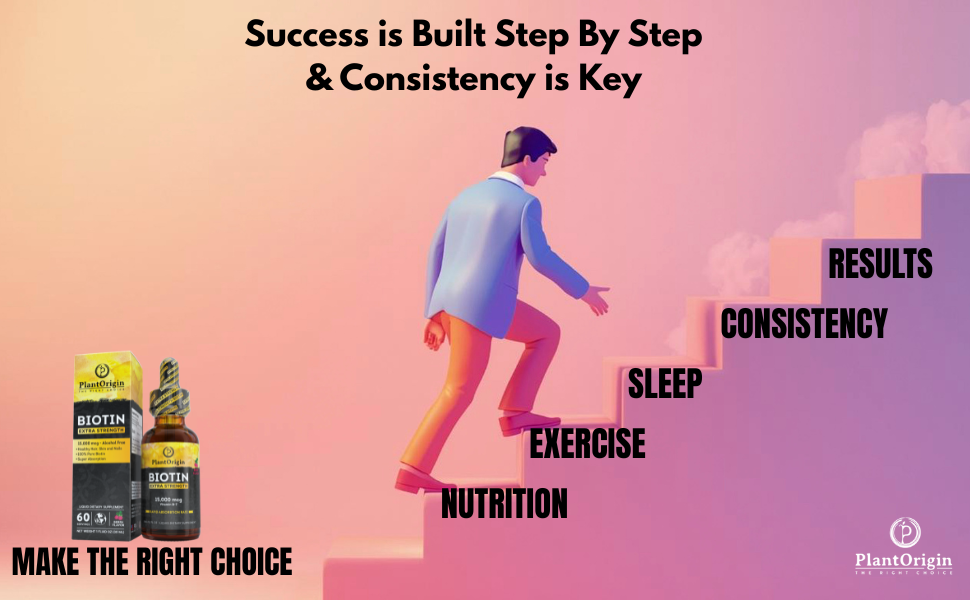
Longevity is not built overnight. It comes from a simple, consistent lifestyle and habits that naturally become part of our daily lives. The healthiest and happiest people in the world often share similar patterns — they manage stress, maintain strong social connections, move their bodies regularly, eat nourishing foods, and live with purpose.
One of the biggest threats to long-term health is chronic stress. Constant stress can elevate cortisol levels, disrupt sleep, affect brain function, accelerate aging, and contribute to mental fatigue and anxiety. Creating moments of calm through mindfulness, walking, spending time in nature, journaling, meditation, deep breathing, or simply slowing down can have a major impact on overall well-being and longevity.
Another powerful longevity principle is the Japanese concept of Ikigai — having a reason to wake up each morning. Living with purpose gives people direction, motivation, emotional resilience, and fulfillment. Whether it comes from family, creativity, helping others, personal passions, or meaningful work, purpose has a profound influence on mental and emotional health.
Strong social connections are equally important. Human beings thrive through community, relationships, and meaningful conversations. Studies have repeatedly linked supportive relationships with lower stress, improved cognitive health, and longer life expectancy. Isolation and loneliness, on the other hand, can negatively affect both mental and physical health.
A healthy diet also plays a central role in longevity. Nourishing the body with whole foods, colorful vegetables, healthy fats, antioxidants, hydration, and clean sources of nutrition helps support energy, cellular health, brain function, and vitality. Consistency with healthy eating habits matters more than perfection.
Regular exercise and movement are another essential pillar of aging well. Longevity is not about extreme workouts — it is about moving consistently. Walking, stretching, strength training, yoga, mobility work, and staying physically active can help support circulation, cognitive function, energy, flexibility, and overall resilience as we age.
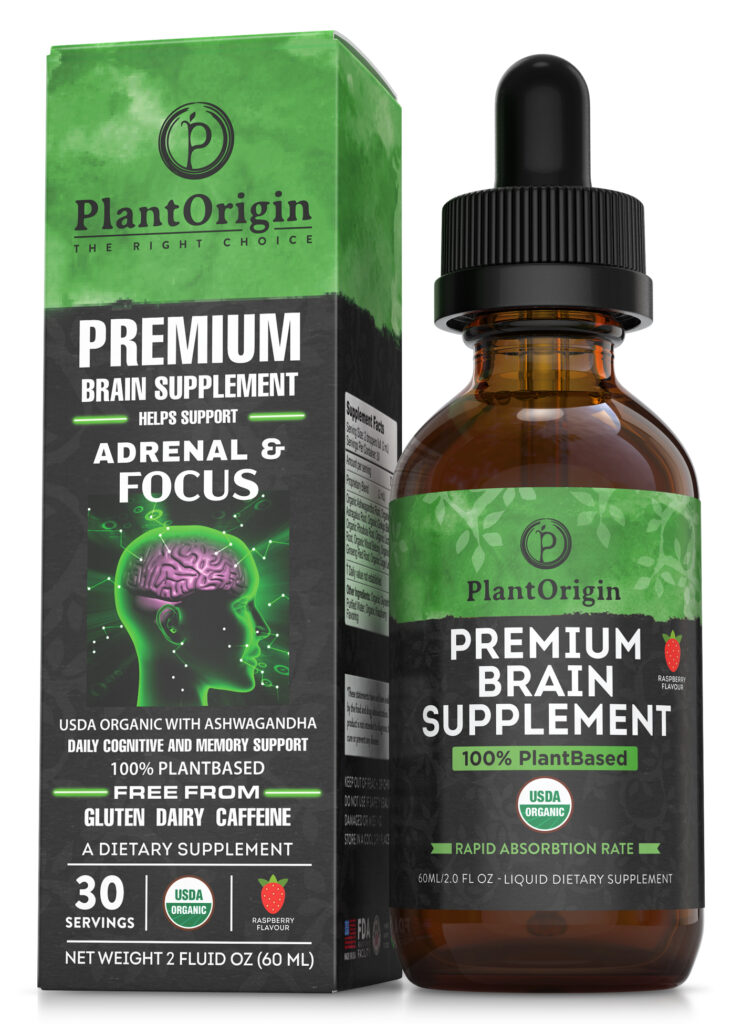
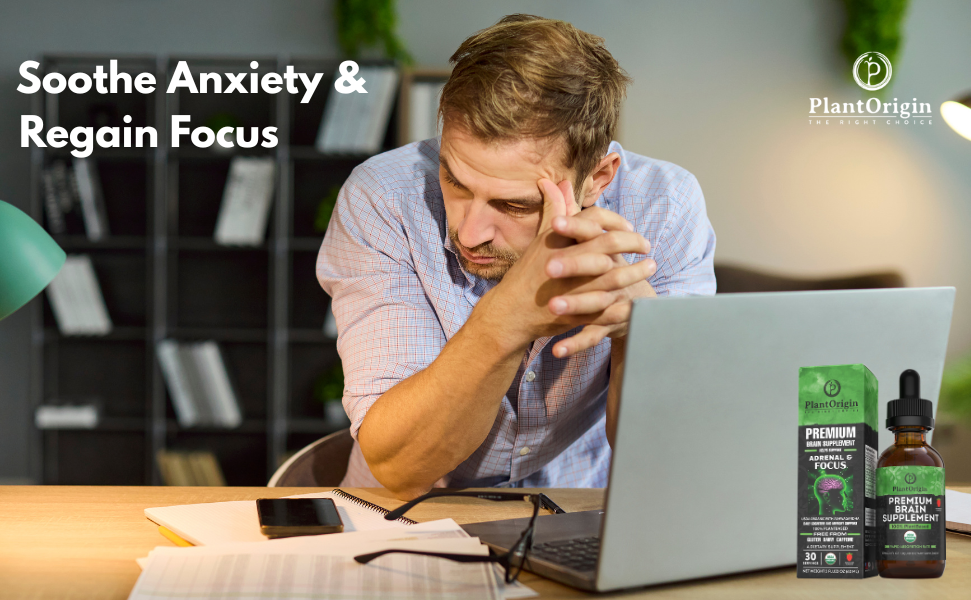
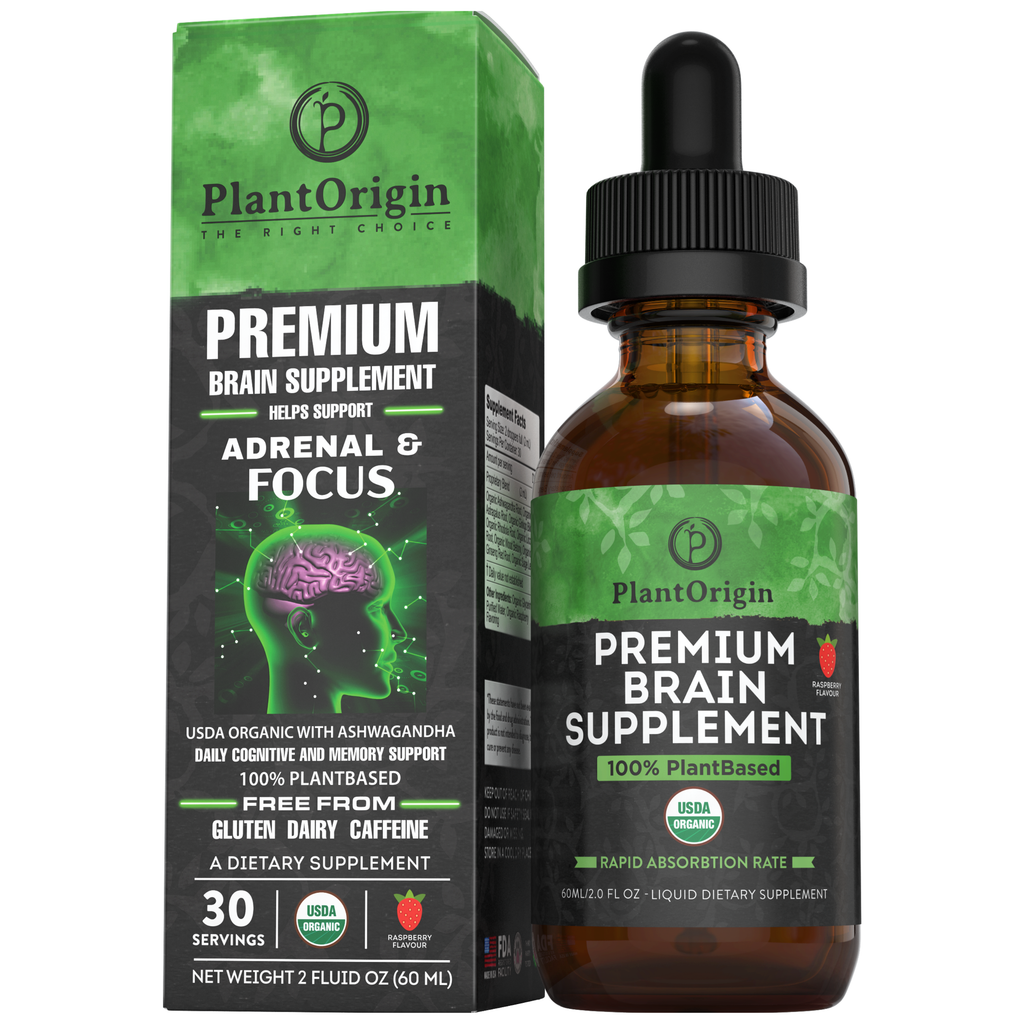
Along with these healthy lifestyle habits, supporting brain health is equally important. PlantOrigin USDA certified organic and plant-based premium brain supplement can help with nighttime relaxation and is designed for cognitive enhancement, mental clarity, stress relief, and anxiety support. It contains ingredients traditionally used to support stress management, cortisol regulation, focus, learning, memory, and overall mental wellness.
This supplement is USDA certified organic, 100% plant-based, vegan, kosher, made in the USA in a certified organic facility, contains no coffee or alcohol, and is third-party tested. Its ingredients include ashwagandha, ginkgo biloba, ginseng, astragalus, Rhodiola, wood betony, and licorice.
At the end of the day, longevity is not about perfection — it is about consistency. Small healthy habits practiced daily can create a stronger mind, healthier body, emotional balance, and a more fulfilling life over time.
UNDERSTANDING COLLAGEN: THE BODY’S STRUCTURAL PROTEIN
Collagen is the most abundant protein in the human body — making up about 30% of all protein content. It serves as the main structural component for skin, hair, nails, tendons, ligaments, cartilage, and even the walls of our blood vessels. Think of collagen as the scaffolding that holds everything together. It gives your skin elasticity, strengthens your hair and nails, supports joint flexibility, and keeps your bones strong.
As we age, collagen production naturally declines. Around the age of 25, our body begins to lose approximately 1% of collagen every year. This gradual decline leads to visible signs of aging such as wrinkles, sagging skin, thinning hair, and stiff joints. However, the loss isn’t just cosmetic — reduced collagen can also affect muscle recovery, joint health, and even gut integrity.
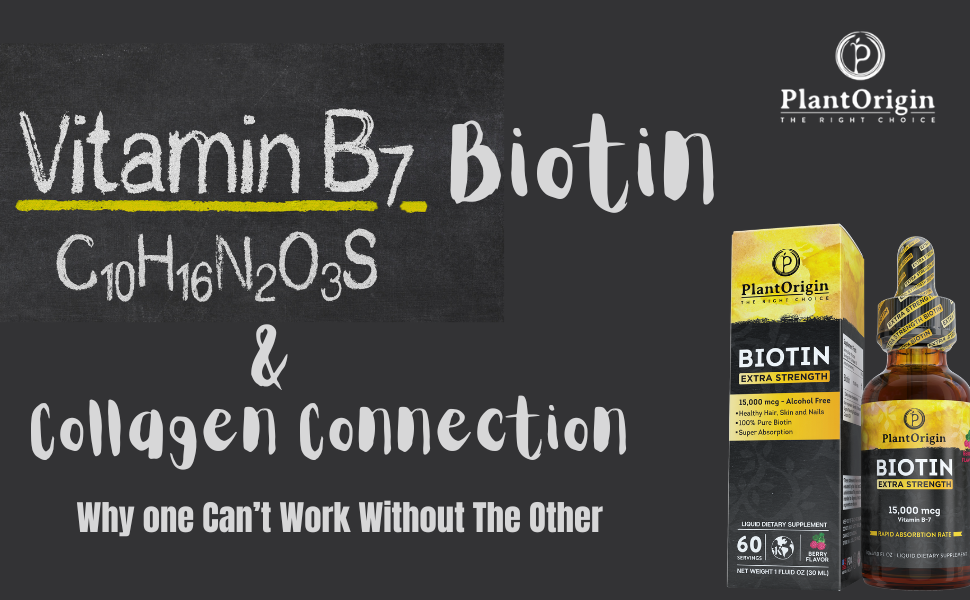
THE BIOTIN–COLLAGEN CONNECTION: WHY ONE CAN’T WORK WITHOUT THE OTHER
Biotin, also known as vitamin B7, is one of the most underrated yet crucial vitamins for collagen production. While collagen is a protein made up of amino acids like glycine, proline, and hydroxyproline, your body cannot effectively synthesize it without the enzymatic support of Biotin.
According to science, Biotin plays a vital role in converting nutrients — especially fats, carbohydrates, and proteins — into usable energy. But more importantly, it acts as a coenzyme that supports the body’s natural ability to produce keratin and collagen. Without biotin, your body cannot efficiently metabolize amino acids or fatty acids, both of which are essential building blocks for collagen formation.
In simpler terms, even if you consume collagen-rich foods or supplements, your body may not be able to use them properly if you’re low on Biotin. Biotin activates the enzymes necessary for collagen synthesis and helps the body incorporate amino acids into structural proteins. Therefore, collagen and biotin are not separate beauty nutrients — they work hand in hand to build healthy skin, hair, and nails from within.
WHAT HAPPENS WHEN YOU LACK BIOTIN
A deficiency in biotin can disrupt collagen synthesis at multiple levels. Early signs often show up externally — brittle nails, thinning hair, dry or scaly skin, and premature wrinkles. Over time, low biotin can also affect energy metabolism, leading to fatigue and neurological symptoms like brain fog.
When your body cannot efficiently process amino acids due to biotin deficiency, collagen fibers lose their strength and structure. This can lead to sagging skin, slow wound healing, and a weakened skin barrier — making you more susceptible to dryness, eczema, or irritations. Essentially, without biotin, collagen cannot form properly, resulting in visible signs of aging and weaker connective tissues.
WHO IS MOST AT RISK OF BIOTIN AND COLLAGEN DEFICIENCY?
While everyone needs biotin, certain groups are more vulnerable to deficiency — and therefore more likely to experience collagen loss:
VEGANS AND VEGETARIANS
Biotin is found in highest concentrations in animal-based foods like eggs, salmon, and liver. Those following a plant-based diet may not get adequate amounts unless they consciously supplement. Since collagen is also derived from animal protein, vegans and vegetarians are more likely to face dual deficiencies.
PREGNANT AND LACTATING WOMEN
Pregnancy increases the demand for Biotin, and studies suggest that up to 50% of expecting mothers may experience mild Biotin deficiency. This can contribute to postpartum hair loss, brittle nails, and slower skin recovery.
INDIVIDUALS WITH DIGESTIVE DISORDERS
Conditions such as Crohn’s disease, leaky gut, or IBS can interfere with nutrient absorption, leading to lower biotin levels and, consequently, weaker collagen production.
PEOPLE WITH HIGH ALCOHOL OR PROCESSED FOOD INTAKE
Alcohol consumption and diets high in refined carbohydrates can deplete B vitamins, including biotin. The result: reduced collagen formation and faster visible aging.
OLDER ADULTS
Aging not only slows collagen synthesis but can also impair nutrient absorption, including Biotin. Supplementation becomes crucial to support the body’s declining natural processes.
HOW TO BOOST BIOTIN AND COLLAGEN NATURALLY
The good news is that both Biotin and collagen production can be supported naturally through diet and supplementation.
• Foods rich in biotin include nuts (especially almonds and walnuts), seeds, sweet potatoes, spinach, mushrooms, and avocados. However, since cooking often reduces biotin content, supplementation ensures consistent and effective absorption.
• Vitamin C and zinc are also vital co-factors in collagen synthesis. Including citrus fruits, berries, leafy greens, and seeds in your diet helps your body utilize biotin more efficiently to create collagen.
• Hydration and sleep also play crucial roles. Collagen production primarily occurs during deep sleep when the body enters repair mode, while dehydration can break down existing collagen fibers.
WHY CHOOSE PLANTORIGIN EXTRA STRENGTH LIQUID BIOTIN
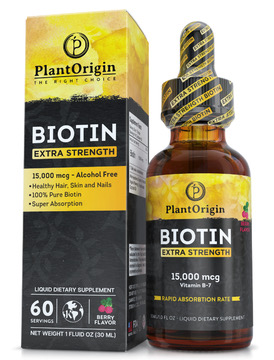
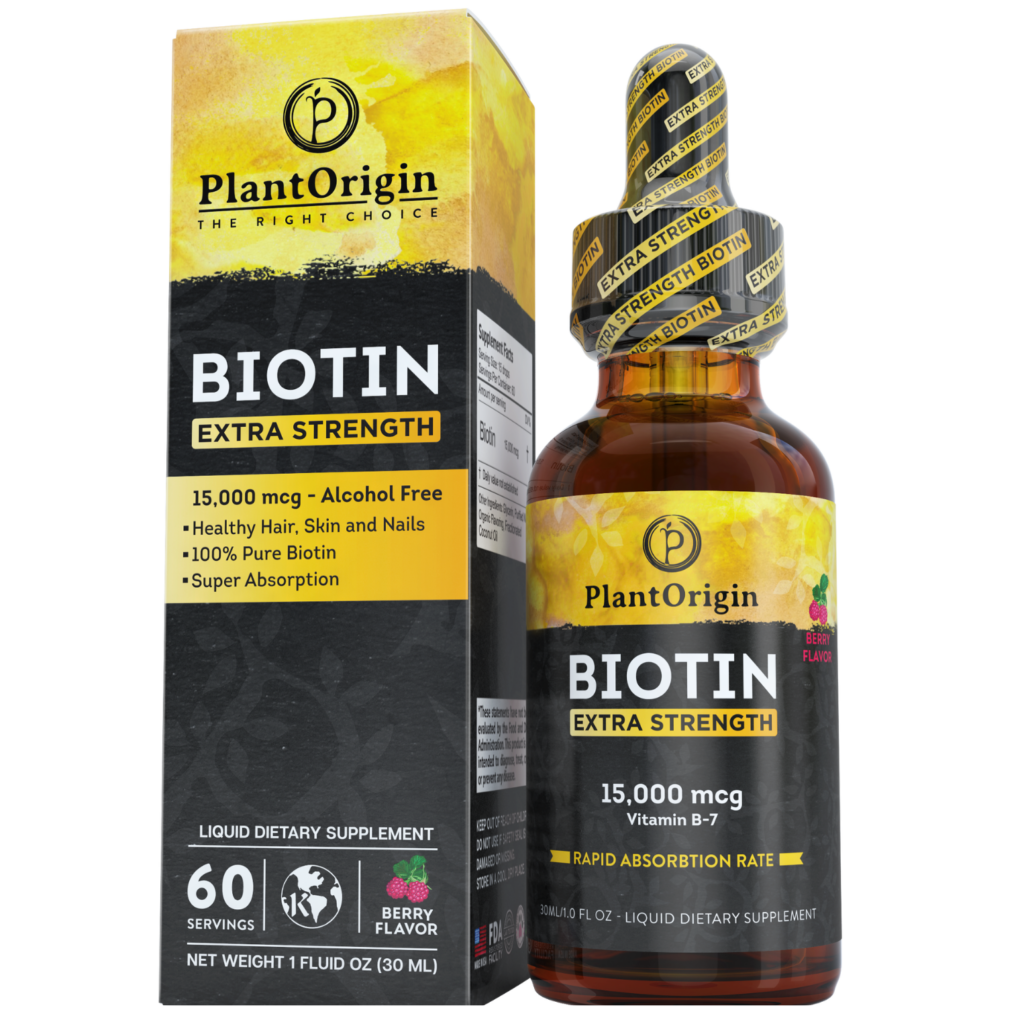
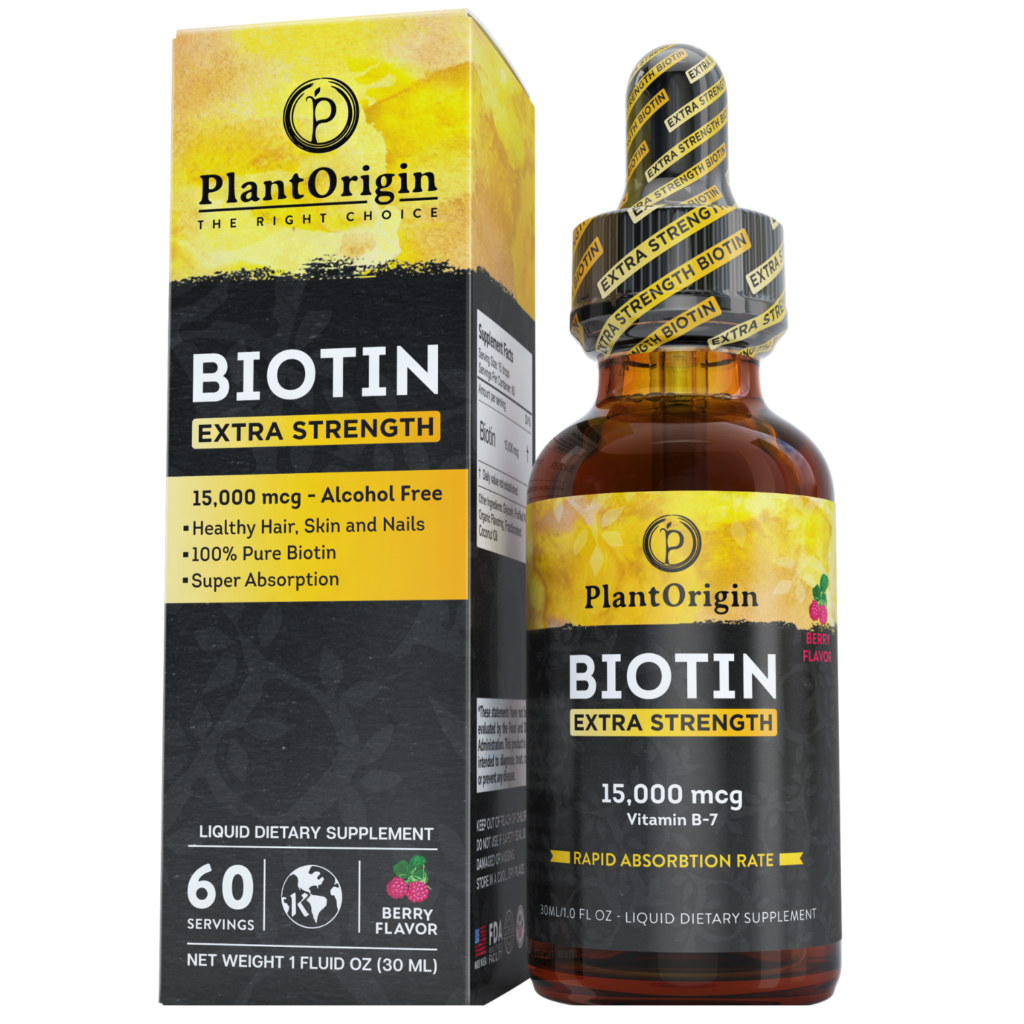
For those seeking to restore radiant skin, strong nails, and healthy hair — PlantOrigin Extra Strength Liquid Biotin (15,000 MCG) is a superior choice.
This liquid supplement is designed for optimal absorption and bioavailability — an advantage over capsules or tablets. It supports collagen formation by ensuring your body has the essential biotin it needs to metabolize amino acids and fatty acids effectively.
KEY FEATURES INCLUDE:
• 15,000 MCG per serving for potent results
• Berry flavor that makes daily supplementation enjoyable
• No sugar, stevia, or alcohol — clean and gentle on the body
• 100% vegan and kosher, manufactured in the USA in a certified organic facility
• All ingredients are organic and third-party tested for purity and safety
With consistent use, PlantOrigin Biotin helps improve skin elasticity, strengthen nails, and reduce hair breakage — all signs of a healthy collagen network. Its vegan formulation makes it especially suitable for individuals on plant-based diets who are more prone to biotin deficiency.
THE TAKEAWAY: BIOTIN IS THE UNSUNG HERO OF COLLAGEN HEALTH
Collagen gives your body structure, but biotin gives collagen the power to form in the first place. Without adequate biotin, even the best collagen supplements or high-protein diets cannot deliver results because the body simply lacks the enzymatic tools to assemble collagen fibers.
If you’re noticing dull skin, brittle nails, or thinning hair, your body might not be lacking collagen alone — it could be calling out for biotin. By supplementing with a high-quality, organic formula like PlantOrigin Extra Strength Liquid Biotin, you’re not only replenishing a critical nutrient but also enabling your body to rebuild and rejuvenate naturally from within.
In short: Biotin isn’t just a beauty vitamin — it’s the master key that unlocks your body’s collagen-building potential.
PLANTORIGIN THE RIGHT CHOICE
To Learn More Visit: https://amzn.to/3gWz8gX https://amzn.to/32wwGsO
These statements have not been evaluated by the Food &drug administration. The product is not intended to diagnose, treat, cure or prevent any diseases
Have you ever felt frustrated watching your nails peel, crack, or snap just when they were starting to grow nicely? Nail breakage is more than a cosmetic nuisance—it can be a clue that something deeper is going on with your health or self-care routine. From dietary deficiencies to environmental stressors, brittle nails often signal a cry for help.
In this article, we’ll dive into the root causes behind weak and breaking nails, what could be secretly sabotaging your nail strength, and the best ways to protect and nourish them. Plus, discover how PlantOrigin Extra Strength Liquid Biotin can be a powerful ally in your journey to stronger, healthier nails.
🧬 WHY DO NAILS BREAK SO EASILY?
Our fingernails are made of keratin, a tough protein that also forms the structure of our hair and outer skin layer. Healthy nails should be flexible yet strong. When they constantly split, peel, or chip, it usually means that the nail structure is being compromised. Let’s explore some common culprits:
NUTRITIONAL DEFICIENCIES
A poor diet lacking in key nutrients—especially biotin, iron, zinc, vitamin B12, and omega-3 fatty acids—can lead to dry, brittle nails. Without proper nourishment, the body struggles to produce strong keratin.
• Biotin, in particular, plays a critical role in nail thickness and growth. Deficiency may cause fragile nails and slow regrowth. • Low iron can cause spoon-shaped or easily breakable nails.
EXCESSIVE HAND WASHING AND HARSH CHEMICALS
Constant exposure to water and detergents can strip nails of natural oils, leaving them dry and prone to breakage. This is especially true for those in professions like healthcare or cleaning.
• Hand sanitizers and household cleaners containing alcohol or bleach are especially drying. • Overuse of nail polish remover, especially acetone-based ones, can worsen the problem.
OVER-POLISHING AND ACRYLIC NAILS
• While manicures can make nails look beautiful, frequent filing, buffing, and use of acrylics or gel polish can damage the nail plate. • These procedures thin the nail over time and create weak spots. • Improper removal of artificial nails can cause peeling or layers of the nail to lift.
Medical Conditions
• Certain underlying health issues can manifest through nail brittleness: • Thyroid disorders (especially hypothyroidism) can lead to dry, thin nails. • Psoriasis, eczema, and fungal infections can affect nail health. • Anemia and other blood-related conditions reduce oxygen delivery to the nail bed.
ENVIRONMENTAL AND SEASONAL FACTORS
Cold, dry weather can zap moisture from your skin and nails, leading to cracking and breaking. Even heated indoor environments can contribute to nail dehydration.
Aging and Hormonal Shifts
As we age, our nails naturally lose some of their strength and moisture. Women may especially notice changes during menopause due to hormone fluctuations.
🛡️ HOW TO PROTECT YOUR NAILS FROM BREAKING Luckily, there are effective strategies to strengthen and protect your nails—starting from your diet all the way to your self-care rituals.
PlantOrigin Extra Strength Liquid Biotin—a premium formula delivering 15,000 MCG of biotin per serving in a delicious berry flavor. This powerful, organic, liquid supplement is:
• Vegan and Kosher • Free of sugar, stevia, and alcohol • Manufactured in a certified organic facility in the USA • Made using only organic ingredients • Liquid biotin is more bioavailable than pills or capsules, meaning your body absorbs and uses it faster—resulting in quicker visible results for nails, skin, and hair.
💅 DAILY HABITS TO BOOST NAIL STRENGTH
• Hydrate Nails and Cuticles • Use hand creams, oils (like jojoba or almond), or natural balms regularly to lock in moisture. • Wear Gloves • Protect your hands while washing dishes, cleaning, or gardening. • Avoid Harsh Nail Products • Choose acetone-free polish removers and limit your use of gel or acrylic nails.
TRIM AND FILE REGULARLY
• Keep nails short and well-shaped to reduce chances of snags and tears. • Eat a Balanced Diet • Include foods rich in vitamins A, C, D, biotin, and minerals like zinc and calcium.
STAY HYDRATED Dehydration can lead to dry nails, so aim for at least 8 glasses of water a day.
📈 HOW LONG UNTIL YOU SEE RESULTS? Nails grow at an average rate of 3 mm a month, so visible improvements from biotin supplementation and lifestyle changes may take 2–3 months. Patience is key, but consistent care will deliver strong, resilient nails in the long run.
✨ FINAL THOUGHTS Nail breakage may seem minor, but it often reflects an internal imbalance or external neglect. By addressing root causes—like poor nutrition, exposure to chemicals, or underlying health issues—you can rebuild your nails’ strength and shine.
Most of us know Biotin as the “beauty vitamin” that helps grow luscious hair, glowing skin, and stronger nails. But what if we told you this B-vitamin isn’t just about appearance—it’s a silent warrior behind your body’s essential systems, from brain function to blood sugar regulation?
Yes, Biotin, also known as Vitamin B7, is a crucial nutrient with life-changing benefits that go way beyond vanity. It supports your body at a cellular level and plays a pivotal role in metabolism, neurological function, and even chronic conditions like epilepsy and diabetes.
LET’S UNCOVER THE POWERFUL HEALTH BENEFITS OF BIOTIN AND WHAT EXACTLY IS BIOTIN?
Biotin is a water-soluble vitamin that is part of the B-complex group. It assists enzymes in breaking down fats, proteins, and carbohydrates for energy. Since your body doesn’t store Biotin, it must be consumed regularly through diet or supplements. While most people associate Biotin with external beauty benefits, its internal role is even more critical.
WHY IS BIOTIN ESSENTIAL FOR OUR HEALTH? AND HOW DOES BIOTIN SUPPORT MULTIPLE SYSTEMS WITHIN THE BODY:
• Energy Production: Biotin helps convert food into usable energy by assisting enzymes known as carboxylases. Without it, fatigue and metabolic issues can arise. • Fatty Acid Synthesis: Essential for healthy cell growth and skin regeneration. • Gene Regulation: Biotin affects how your body expresses DNA, influencing everything from immune response to hormone regulation. • A Biotin deficiency can lead to fatigue, brittle nails, skin rashes, hair thinning, and even depression or hallucinations in severe cases.
BIOTIN AND NEUROLOGICAL HEALTH
Here’s where Biotin becomes even more impressive. Biotin is a critical nutrient for brain health and nerve function. It supports the formation of myelin—the protective sheath around nerves. Without sufficient Biotin, the nervous system becomes vulnerable to damage, leading to brain fog, tingling in the limbs, and coordination issues.
SEVERAL STUDIES HAVE EXPLORED BIOTIN’S POTENTIAL ROLE IN NEUROLOGICAL DISORDERS LIKE EPILEPSY AND MULTIPLE SCLEROSIS (MS). FOR INSTANCE:
• Epilepsy: Medical science suggest, Biotin has shown promise in improving the quality of life for epilepsy patients by stabilizing nerve function and aiding in energy metabolism within neurons. • MS: High-dose Biotin therapy is being researched for its ability to reverse some of the disabling symptoms of MS, primarily by improving myelin repair and mitochondrial function. • While more research is ongoing, the neurological benefits of Biotin are already making waves in integrative medicine.
CAN BIOTIN HELP WITH DIABETES? Absolutely. According to scientists, Biotin plays a powerful role in glucose metabolism, making it especially important for those with blood sugar issues or Type 2 diabetes.
HERE’S HOW IT HELPS:
• Regulates Insulin Response: Biotin enhances the action of insulin, the hormone responsible for maintaining blood sugar levels. • Reduces Fasting Blood Glucose: Some studies have shown that Biotin supplementation can reduce fasting glucose levels when combined with chromium. • Supports Enzymatic Activity: Biotin-dependent enzymes help regulate the metabolic pathways for glucose utilization, preventing spikes and crashes in blood sugar. • For individuals with diabetes, supplementing with Biotin could offer improved glucose control and potentially reduce complications over time.
MEET PLANTORIGIN EXTRA STRENGTH LIQUID BIOTIN: WELLNESS IN A BOTTLE
• 15,000 MCG Potency: A high-strength formula for maximum impact, particularly beneficial for those with deficiencies or chronic conditions. • Liquid Form: Liquid supplements offer better absorption and faster results compared to tablets or capsules. • No Sugar, No Stevia, No Alcohol: Unlike many supplements on the market, this is a clean formula that won’t spike your blood sugar or irritate your gut. • Berry Flavor: Makes daily supplementation enjoyable and easy to stick with. • 100% Plant-Based, Vegan & Kosher: Suitable for all lifestyles and dietary preferences. • USDA Organic & Made in USA: Manufactured in a certified organic facility with all organic ingredients, ensuring top-tier quality and purity. • This isn’t just a supplement—it’s an investment in your health.
WHO SHOULD CONSIDER TAKING BIOTIN?
• People with Hair Loss, Brittle Nails, or Dry Skin • Individuals with Diabetes or Blood Sugar Issues • Those Suffering from Neurological Conditions • Pregnant or Breastfeeding Women (consult with your doctor) • Anyone Experiencing Chronic Fatigue or Brain Fog • Because Biotin is water-soluble, any excess is flushed out by your body, making it safe for daily use.
FINAL THOUGHTS: BEAUTY STARTS FROM WITHIN
Biotin may wear the crown as the “beauty vitamin,” but its true reign is inside the body—fueling brain power, metabolic strength, and even supporting chronic illness management. Whether you’re looking to boost your glow or safeguard your nerve health, Biotin should not be underestimated.
Choosing a high-quality Biotin like PlantOrigin Extra Strength Liquid Biotin ensures you’re not just getting superficial results, but deep-rooted health benefits that last.
AFTER ALL, BEAUTY FADES, BUT WELLNESS IS FOREVER. PLANTORIGIN THE RIGHT CHOICE
To Learn More Visit: https://amzn.to/3gWz8gX https://amzn.to/32wwGsO
These statements have not been evaluated by the Food &drug administration. The product is not intended to diagnose, treat, cure or prevent any diseases
YOUR UNIQUE REACTION TO STRESS Ever wonder why some people become hyper-organized under pressure while others retreat into silence? That’s your stress personality at play. We each have a built-in reaction to stress: some of us go into overdrive, others hit pause. This isn’t just a quirk—it’s a window into your stress coping mechanism. According to research, understanding how you respond to pressure can help you not only manage stress more effectively but also prevent burnout, anxiety, and long-term mental fatigue. Let’s explore the different types of stress personalities, what they say about your coping style, and how you can manage stress in a way that aligns with who you are. We’ll also share how PlantOrigin’s premium USDA-certified organic brain supplement can support your journey to mental wellness with adaptogens that nourish your nervous system.
WHAT IS A STRESS PERSONALITY?
A stress personality is essentially your behavioral and emotional default when confronted with challenges or perceived threats. Experts typically classify reactions into two broad categories:
THE POWER-UP PERSONALITY: These individuals become hyper-productive. Think multitasking, problem-solving, and taking control of every little detail. They tend to power through stress by staying busy.
THE SHUT-DOWN PERSONALITY: These people often withdraw. They might procrastinate, experience fatigue, or mentally “check out” under pressure. Instead of reacting outwardly, their stress manifests internally.
Neither type is wrong. In fact, both styles are rooted in evolutionary biology—fight or flight. Stress unchecked, either can lead to chronic stress, anxiety, and burnout.
RECOGNIZING YOUR COPING STYLE Take a moment to reflect:
• Do you become irritable or impatient under stress? • Do you avoid calls, texts, or responsibilities when overwhelmed? • Do you feel driven to fix everything—or do nothing?
Your answers reveal more than you think. If you power up, your mind may be racing but your body could be heading toward burnout. If you shut down, your mind may be avoiding stress, but the weight of procrastination builds up.
WHY MANAGING STRESS MATTERS
According to experts, Chronic stress affects your brain, immune system, heart, and even your gut. Unaddressed stress reactions can cause:
That’s why knowing your stress personality isn’t just self-awareness—it’s a survival tool.
STRATEGIES TO MANAGE STRESS (BASED ON YOUR PERSONALITY)
IF YOU POWER UP:
• Schedule Breaks: You may resist rest, but productivity improves with recovery. Use timers for work/rest cycles (e.g., Pomodoro technique). • Practice Mindful Slowing: Activities like yoga, deep breathing, and guided meditation can quiet your racing thoughts. • Delegate Tasks: Learn to let go of micro-managing. Trust others to help.
IF YOU SHUT DOWN:
• Use Micro Goals: Break tasks into small wins to gain momentum. • Set External Reminders: Use digital reminders or accountability partners to stay on track. • Get Moving: Physical activity, even a walk, can re-energize your nervous system and improve mood.
SUPPORT FROM WITHIN: ADAPTOGENS FOR MENTAL RESILIENCE
Adaptogens are herbs that help your body adapt to stress and restore balance. And this is where PlantOrigin USDA certified organic brain supplement comes in—a powerful ally in your stress management toolkit.
THIS PREMIUM, 100% PLANT-BASED, VEGAN, AND KOSHER SUPPLEMENT IS:
• Made in the USA in a certified organic facility • Free of caffeine and alcohol • Third-party tested for purity and potency
IT CONTAINS STRESS-BUSTING INGREDIENTS INCLUDING:
• Ashwagandha – helps lower cortisol and improve resilience• Gingko Biloba – enhances focus and blood circulation • Ginseng – boosts energy without jitters • Astragalus – supports immune function during stress • Rhodiola – helps fight fatigue and enhance stamina • Wood Betony and Licorice – soothe the nervous system and promote calm
These adaptogens gently balance your stress response over time—whether you power up or shut down—helping you find a middle ground of calm focus.
YOUR STRESS REACTION ISN’T A FLAW—IT’S A SIGNAL
Learning to work with your stress personality, rather than against it, can be life-changing. When you know whether you react by powering up or shutting down, you can build coping strategies that fit your nature and support your wellness. And when you combine that insight with the right support—like PlantOrigin’s organic brain supplement—you’re not just surviving stress. You’re mastering it.
Because managing stress isn’t about becoming someone else. It’s about becoming the best version of you—resilient, calm, focused, and thriving.
*These statements have not been evaluated by the Food &drug administration. The product is not intended to diagnose, treat, cure or prevent any diseases*
In today’s always-on, hustle-heavy world, success is often measured by how fast we move, how much we multitask, and how full our calendars look. But science and ancient wisdom offer a different path—one that doesn’t burn you out but instead builds you up. Enter mindfulness: a mental state rooted in awareness, presence, and intention. More than just a wellness buzzword, mindfulness is proving to be a game-changer for success, productivity, stress resilience, and mental health. Let’s explore what mindfulness really is, its connection to achievement, and how it synergizes with powerful plant-based support like the PlantOrigin premium brain supplement.
WHAT IS MINDFULNESS? Mindfulness is the practice of paying full attention to the present moment without judgment. It means being aware of where you are, what you’re doing, and how you’re feeling—noticing your thoughts and bodily sensations without reacting to them. This practice stems from ancient meditation traditions but has been widely adopted in modern psychology and neuroscience.
Mindfulness doesn’t mean clearing your mind or achieving a trance-like state; it’s about noticing your thoughts and letting them pass without getting caught in them. It’s training the brain to focus and to respond rather than react.
THE SCIENCE OF MINDFULNESS Neuroscientific research has revealed some amazing facts about mindfulness. MRI scans show that regular mindfulness practice can actually change the structure of the brain. The amygdala, responsible for fear and stress responses, shrinks, while the prefrontal cortex—responsible for planning, decision-making, and emotional regulation—becomes more active.
A study published in Psychiatry Research: Neuroimaging showed that participants who practiced mindfulness meditation for eight weeks had increased grey matter in areas of the brain associated with memory, self-awareness, and compassion.
Mindfulness also positively affects neurotransmitters like serotonin and dopamine, promoting a balanced mood and cognitive clarity—crucial for productivity and goal-setting.
MINDFULNESS AND SUCCESS: THE MENTAL EDGE Success isn’t just about talent or luck. It’s often about mental habits—resilience, clarity, and emotional regulation. Mindfulness improves emotional intelligence, helping individuals manage impulses, delay gratification, and maintain calm under pressure.
Many high achievers, including CEOs, athletes, and artists, cite mindfulness as a secret weapon. It improves decision-making by reducing noise and emotional clutter, allowing for more strategic thinking. With better focus and self-awareness, mindful individuals are less likely to be derailed by distractions or reactive emotions.
THE PRODUCTIVITY CONNECTION Ironically, slowing down to practice mindfulness can help you get more done. It improves concentration and reduces the mental scatter caused by multitasking. According to a study in the journal Consciousness and Cognition, people who practiced mindfulness for just two weeks saw a significant improvement in working memory and executive function.
Mindfulness helps you prioritize better, minimize time wasted on overthinking, and enter a state of “flow” where tasks feel effortless. It trains your brain to return to the present, again and again, instead of spiraling into anxiety over what’s next or regrets over what’s past.
REDUCING STRESS AND INCREASING RESILIENCE Chronic stress is a productivity killer and a mental health hazard. Mindfulness counteracts this by activating the parasympathetic nervous system—your body’s natural relaxation mode. It reduces cortisol levels, eases anxiety, and helps reset the nervous system after emotional triggers.
Studies from Harvard and UCLA show that mindfulness practitioners have lower baseline stress levels and quicker recovery from stressful situations. This builds resilience—the ability to bounce back from setbacks and face challenges without becoming emotionally exhausted.
The PlantOrigin 100% plant-based, vegan, and kosher Premium Brain supplement is carefully formulated with nature’s most powerful adaptogens and nootropics—all third-party tested and made in the USA in a certified organic facility. Free from caffeine and alcohol, it complements the calming and clarifying benefits of mindfulness.
KEY INGREDIENTS INCLUDE:
✅Ashwagandha: A proven adaptogen that reduces stress and balances cortisol levels. ✅Ginkgo Biloba: Improves memory, focus, and cognitive speed. ✅Ginseng: Boosts energy without the jittery crash of stimulants. ✅Astragalus: Supports immune function and fights mental fatigue. ✅Rhodiola Rosea: Enhances mood, focus, and physical endurance. ✅Wood Betony: Traditionally used to soothe the nervous system. ✅Licorice Root: A natural anti-inflammatory and adrenal tonic. ✅This brain-boosting formula works in harmony with your mindfulness practice, amplifying focus, resilience, and cognitive vitality.
GETTING STARTED WITH MINDFULNESS You don’t need to retreat to a mountaintop to become mindful. Here are simple ways to incorporate mindfulness into your daily routine:
• Morning Mindfulness: Start your day with 5–10 minutes of focused breathing or meditation. • Mindful Breaks: Step away from your desk for short mindful walks or a few deep breaths. • Digital Detox: Practice single-tasking—give your full attention to one task at a time. • Gratitude Journaling: End your day by writing down three things you’re thankful for.
SUPPLEMENT ROUTINE: PAIR YOUR MINDFULNESS WITH PLANTORIGIN’S SUPPLEMENT TO NOURISH YOUR BRAIN AND BALANCE YOUR MOOD.
MINDFULNESS IS THE NEW MULTITASKING In a world obsessed with speed and efficiency, mindfulness offers a powerful paradox: the more present you are, the more you accomplish. It’s not about doing more—it’s about doing better. Science backs it. Experience proves it. And with daily mindfulness practice, supported by the brain-loving botanicals in PlantOrigin’s premium supplement, you can cultivate a sharp, calm, and successful mind—one moment at a time. Mindfulness—supported by PlantOrigin’s adaptogenic blend—can help you stay calm, focused, & in control.
🧠✨ TRAIN YOUR BRAIN. FUEL IT WISELY. SUCCEED MINDFULLY. PLANTORIGIN THE RIGHT CHOICE
These statements have not been evaluated by the Food &drug administration. The product is not intended to diagnose, treat, cure or prevent any diseases
Skin concerns are common, but one of the most misunderstood aspects of skincare is the difference between dehydrated skin and dry skin. While these terms are often used interchangeably, they are fundamentally different. Identifying whether your skin is dehydrated or dry is essential to choosing the right skincare routine and ensuring optimal hydration.
IN THIS GUIDE, WE WILL EXPLORE:
✅ The difference between dehydrated and dry skin ✅ How to determine your skin type ✅ The best remedies to restore hydration and moisture ✅ How PlantOrigin Extra Strength Liquid Biotin can help nourish your skin from within
DEHYDRATED VS. DRY SKIN: WHAT’S THE DIFFERENCE?
DRY SKIN – A SKIN TYPE
Dry skin is a skin type, meaning it is primarily influenced by genetics and external environmental factors. If you have dry skin, it means your skin naturally produces less oil (sebum) than other skin types, leading to flakiness, tightness, and rough texture.
SIGNS OF DRY SKIN:
✔️ Feels rough and flaky ✔️ Itchy or tight sensation ✔️ Visible redness or irritation ✔️ Prone to fine lines and premature aging ✔️ Lacks natural oils and moisture
Dry skin lacks lipids (fats) like Shea Butter, which are essential for retaining moisture and maintaining the skin barrier. Without these natural oils, the skin struggles to lock in hydration, making it more susceptible to irritation and premature aging.
DEHYDRATED SKIN – A SKIN CONDITION
Unlike dry skin, dehydration is not a skin type but a temporary condition that occurs when the skin lacks water. Even oily or combination skin types can experience dehydration. This condition is often caused by environmental factors, diet, and lifestyle choices.
SIGNS OF DEHYDRATED SKIN:
✔️ Skin looks dull and tired ✔️ Fine lines or wrinkles appear more prominent ✔️ Feels tight but also oily in some areas ✔️ Increased sensitivity and redness ✔️ Prone to breakouts due to overproduction of oil
Dehydrated skin is often mistaken for dry skin, but the key difference is that dehydrated skin needs water rather than oil. When the skin is dehydrated, it tries to compensate by producing more oil, leading to clogged pores and breakouts.
NOT SURE WHETHER YOUR SKIN IS DRY OR DEHYDRATED? HERE’S A SIMPLE TEST:
The Pinch Test for Dehydration: 👉 Pinch a small section of skin on your cheek or the back of your hand and hold it for a few seconds. 👉 If your skin snaps back immediately, it is well-hydrated. 👉 If it takes time to return to normal or forms fine lines, your skin is dehydrated.
Check Your Skin’s Oil Production: ✔️ If your skin feels rough, flaky, or lacks oil, it is dry. ✔️ If your skin feels tight but still looks oily, it is dehydrated.
Once you’ve identified your skin type, you can choose the best moisturizing remedies to restore balance.
MOISTURIZING REMEDIES FOR DRY & DEHYDRATED SKIN 🌿 Best Remedies for Dry Skin (Lack of Oil)
2️⃣ Avoid Harsh Cleansers Use a gentle, hydrating cleanser without sulfates to prevent further drying.
3️⃣ Apply Moisturizer on Damp Skin Lock in hydration by applying moisturizer right after cleansing.
4️⃣ Use Overnight Masks Rich, hydrating Shea Butter masks help restore moisture overnight.
5️⃣ Eat Healthy Fats Consume foods rich in omega-3s like avocados, nuts, and salmon to improve skin’s moisture levels.
💧 BEST REMEDIES FOR DEHYDRATED SKIN (LACK OF WATER)
• Hydrate from Within Drink plenty of water and include water-rich foods like cucumbers, watermelon, and oranges in your diet.
• Avoid Alcohol-Based Skincare Alcohol-based toners and astringents strip moisture from the skin, making dehydration worse.
• Use a Humidifier Keeping a humidifier in your room helps restore hydration, especially in dry climates.
• Cut Down on Caffeine & Alcohol Both can dehydrate the skin, so balance them with extra water intake.
🌟 HOW PLANTORIGIN LIQUID BIOTIN CAN HELP MAINTAIN SKIN HYDRATION & HEALTH
A well-balanced skincare routine starts from within! PlantOrigin Extra Strength Biotin (15,000 MCG) is a liquid biotin supplement that promotes skin hydration, elasticity, and overall skin health.
WHY CHOOSE PLANTORIGIN BIOTIN?
✔️ Supports skin hydration & elasticity – Biotin plays a key role in skin cell regeneration and moisture retention. ✔️ Boosts collagen production – Helps maintain youthful, glowing skin. ✔️ Prevents dryness & breakouts – Biotin strengthens the skin barrier, reducing irritation. ✔️ 100% Vegan & Organic – Free from sugar, stevia, and alcohol. ✔️ Made in the USA – Manufactured in an organic, kosher-certified facility.
A simple daily dose of liquid biotin (all you need is 15 drops) can work wonders for skin, hair, and nails, keeping them strong, healthy, and hydrated from within.
HYDRATE & NOURISH YOUR SKIN NATURALLY
Understanding the difference between dry and dehydrated skin is the first step in creating an effective skincare routine. If your skin is lacking oil, focus on nourishing moisturizers and healthy fats. If your skin lacks water, prioritize hydration and water-based skincare.
Additionally, supplementing with PlantOrigin Extra Strength Liquid Biotin ensures that your skin remains plump, healthy, and radiant from the inside out.
These statements have not been evaluated by the Food &drug administration. The product is not intended to diagnose, treat, cure or prevent any diseases.
Anxiety is a natural response to stress and can be beneficial in certain situations. However, chronic anxiety can have significant effects on the brain, altering its structure and function. The amygdala, the brain’s fear center, becomes hyperactive, leading to an exaggerated stress response. Meanwhile, the prefrontal cortex, responsible for rational thinking and decision-making, may weaken, making it harder to control anxious thoughts. The hippocampus, crucial for memory and emotional regulation, can shrink under prolonged anxiety, affecting cognitive function and increasing susceptibility to mental health disorders.
According to experts, brain under constant stress releases high levels of cortisol, the stress hormone, which can lead to neuroinflammation and neuronal damage. This makes individuals more prone to conditions such as depression, memory loss, and difficulty concentrating. Additionally, anxiety affects neurotransmitter levels, particularly serotonin and dopamine, leading to mood imbalances and a heightened state of alertness.
TYPES OF ANXIETY DISORDERS
ANXIETY DISORDERS MANIFEST IN VARIOUS FORMS, EACH AFFECTING INDIVIDUALS DIFFERENTLY. SOME COMMON TYPES INCLUDE:
• Generalized Anxiety Disorder (GAD) – Persistent and excessive worry about everyday issues, often without a specific trigger. • Panic Disorder – Sudden and intense episodes of fear, accompanied by physical symptoms like rapid heartbeat, sweating, and dizziness. • Social Anxiety Disorder – Intense fear of social situations, leading to avoidance of gatherings and interactions. • Obsessive-Compulsive Disorder (OCD) – Repetitive, intrusive thoughts and compulsive behaviors to alleviate distress. • Post-Traumatic Stress Disorder (PTSD) – Anxiety stemming from past traumatic experiences, often causing flashbacks and heightened alertness. • Phobias – Extreme and irrational fears of specific objects or situations, such as heights or enclosed spaces. • Coping with Anxiety at Work and Home
Managing anxiety requires a combination of lifestyle changes, cognitive strategies, and, in some cases, professional support. Here are some practical ways to cope with anxiety in different environments:
AT WORK
• Prioritize Tasks – Break work into manageable steps and use to-do lists to reduce overwhelming feelings. • Set Boundaries – Learn to say no when necessary to prevent excessive workload. • Practice Mindfulness – Take short breaks to practice deep breathing or meditation to reset your mind. • Stay Active – Engage in short walks or stretching exercises to reduce stress levels. • Seek Support – Talk to a trusted colleague or manager if anxiety is affecting your productivity. • Improve Work-Life Balance – Avoid taking work home and dedicate time to relaxation and hobbies.
AT HOME
• Establish a Routine – Having a structured daily routine provides a sense of stability and control. • Engage in Physical Activity – Regular exercise, such as yoga or jogging, helps lower stress hormones. • Improve Sleep Quality – Maintain a consistent sleep schedule, avoid screens before bedtime, and create a calming nighttime ritual. • Eat a Balanced Diet – Nutrient-rich foods support brain health and help regulate mood. • Practice Gratitude – Keeping a gratitude journal can shift focus from anxiety to positive aspects of life. • Limit Stimulants – Reduce caffeine and alcohol intake, as these can exacerbate anxiety symptoms. • Why It’s Important to Address Anxiety Issues
Ignoring anxiety can lead to long-term health complications, including cardiovascular diseases, weakened immune function, and digestive issues. Unmanaged anxiety can also contribute to chronic conditions such as high blood pressure and diabetes due to prolonged stress. Additionally, it affects relationships, productivity, and overall quality of life.
Mental health is just as important as physical health. Seeking professional therapy, counseling, or medical intervention when necessary is crucial in managing severe anxiety. Cognitive-behavioral therapy (CBT) is an effective treatment that helps individuals reframe negative thought patterns. Medications may also be prescribed in severe cases, but natural remedies and lifestyle adjustments can significantly reduce anxiety symptoms without side effects.
NATURAL SUPPORT FOR ANXIETY: PLANTORIGIN PREMIUM BRAIN SUPPLEMENT
One of the best ways to support brain health and manage anxiety naturally is through herbal supplements. PlantOrigin Premium Brain Supplement is specially formulated to enhance stress management and improve sleep quality, both of which are essential for combating anxiety. This supplement is:
• USDA certified organic • 100% plant-based and vegan • Manufactured in a certified organic facility in the USA • Third-party tested for quality and safety
KEY INGREDIENTS AND THEIR BENEFITS:
• Ashwagandha – An adaptogenic herb known for reducing cortisol levels and promoting relaxation. • Ginkgo Biloba – Supports cognitive function and improves blood circulation in the brain. • Ginseng – Enhances mental clarity and reduces fatigue associated with anxiety. • Astragalus – Strengthens the immune system and helps the body adapt to stress. • Rhodiola – Reduces symptoms of burnout and enhances energy levels. • Wood Betony – Traditionally used to support the nervous system and alleviate tension. • Licorice – Helps balance cortisol levels and supports adrenal health.
By incorporating PlantOrigin Premium Brain Supplement into your daily routine, you can improve your ability to handle stress, enhance mental clarity, and promote restful sleep—factors that significantly impact anxiety levels.
FINAL THOUGHTS
Anxiety is a common but manageable condition. Understanding its effects on the brain, recognizing different types of anxiety disorders, and adopting coping strategies can significantly improve mental well-being. Addressing anxiety early prevents long-term complications and enhances the quality of life.
Natural support through PlantOrigin Premium Brain Supplement, combined with lifestyle changes and mindfulness techniques, can be a powerful approach to maintaining mental resilience. By taking proactive steps, you can regain control over anxiety and lead a balanced, stress-free life.
These statements have not been evaluated by the Food &drug administration. The product is not intended to diagnose, treat, cure or prevent any diseases
THIRSTY BRAIN? WHY DEHYDRATION COULD BE THE HIDDEN CULPRIT BEHIND MENTAL DISORDERS
We all know water is essential for life. But did you know your brain—your command center—is over 70% water? That’s not just a quirky trivia fact. It’s a major clue to understanding why even mild dehydration can affect mental performance, mood, memory, and potentially lead to mental health issues. While the spotlight often shines on genetics, trauma, or chemical imbalances as causes of mental disorders, dehydration rarely gets the attention it deserves. But emerging research suggests it’s time we took water—and our hydration habits—more seriously.
Let’s dive into the fascinating connection between hydration and mental health and explore how a simple act like drinking enough water could be one of the easiest ways to boost your brain—and your mood.
CAN DEHYDRATION BE THE ROOT CAUSE OF MENTAL DISORDERS?
While dehydration alone may not directly “cause” mental disorders, it can certainly act as a trigger or contributing factor. Mental disorders often arise from a mix of biological, psychological, and environmental causes. But when your body is short on water, it affects the balance of electrolytes, blood flow to the brain, and neurotransmitter function—all of which are crucial for mental stability.
Studies have shown that even a 1–2% drop in hydration levels can impair cognitive functions like memory, focus, and decision-making. Chronic dehydration may exacerbate symptoms of anxiety and depression, and in some cases, mimic them entirely.
THE BRAIN-WATER CONNECTION: HOW DEHYDRATION AFFECTS MENTAL HEALTH
• Mood Dysregulation: Dehydration can lead to increased levels of cortisol, the body’s primary stress hormone. This can heighten feelings of anxiety, irritability, and fatigue.
• Reduced Cognitive Performance: When you’re dehydrated, your brain must work harder to perform even basic tasks. This mental “fog” can lead to mistakes, forgetfulness, and decreased productivity.
• Sleep Disruption: Dehydration at night can cause dry mouth, muscle cramps, and frequent waking, all of which interrupt sleep—a critical component for emotional regulation and mental health.
• Weakened Brain Communication: Proper hydration helps maintain the integrity of the blood-brain barrier and supports the flow of neurotransmitters. Without it, brain signaling can become sluggish or imbalanced.
COMMON SYMPTOMS OF DEHYDRATION YOU SHOULDN’T IGNORE
Most people associate dehydration with thirst, but the signs can be sneakier than you think—especially when it comes to mental wellness:
• Headaches or light-headedness • Difficulty concentrating or “brain fog” • Irritability or mood swings • Anxiety or increased stress • Fatigue or low energy • Dry skin and lips • Dizziness • Constipation
If you’re experiencing these symptoms regularly, it’s worth considering whether your water intake is meeting your body’s needs.
EASY AND EFFECTIVE WAYS TO STAY HYDRATED
The good news? Staying hydrated is easy when you build a few simple habits into your day:
• Start Your Day with Water: Begin every morning with a full glass of water. Your body is naturally dehydrated after sleep. • Keep a Refillable Bottle Nearby: Having a water bottle on hand throughout the day encourages sips between tasks. • Flavor Your Water Naturally: Add slices of lemon, cucumber, or berries if you find plain water boring. • Eat Water-Rich Foods: Foods like cucumbers, watermelon, oranges, and lettuce all contribute to your hydration needs. • Limit Caffeine and Alcohol: These act as diuretics and can increase dehydration if not balanced with adequate water. • Track Your Intake: Use a hydration tracking app or a simple journal to make sure you’re meeting your daily goal (typically 2–3 liters for adults).
BOOSTING BRAIN HEALTH WITH NATURAL SUPPORT
While hydration is critical, it works best when combined with other brain-supportive habits—like rest, movement, and nutritional support. That’s where PlantOrigin USDA Certified Organic Premium Brain Supplement comes in. The PlantOrigin Premium Brain Supplement is 100% plant-based, vegan, and kosher, made in the USA in a certified organic facility, and third-party tested for purity. Free from caffeine and alcohol, it’s gentle on your system and formulated specifically to support stress relief, mental clarity, and overall cognitive function.
WHAT SETS IT APART? A POWERHOUSE BLEND OF ADAPTOGENIC AND NEURO-SUPPORTIVE HERBS:
• Ashwagandha: Calms stress and reduces cortisol • Gingko Biloba: Improves memory and brain circulation • Ginseng: Enhances mental performance and energy • Astragalus: Strengthens the immune system and combats fatigue • Rhodiola: Fights burnout and promotes resilience • Wood Betony: Traditionally used to calm nerves and reduce tension • Licorice Root: Supports adrenal health and balances mood • When combined with proper hydration, these ingredients provide an all-natural, holistic approach to mental wellness.
DON’T WAIT UNTIL YOU’RE THIRSTY TO THINK CLEARLY
Your brain doesn’t just prefer water—it demands it. And when you deprive it, even unknowingly, the consequences can echo through your thoughts, mood, and daily life. The next time you’re feeling anxious, foggy, or inexplicably down, ask yourself: Have I had enough water today? Add in the support of a brain-loving, plant-based supplement like PlantOrigin Premium Brain Supplement, and you’re giving your mental health the hydration and nourishment it truly deserves.
These statements have not been evaluated by the Food &drug administration. The product is not intended to diagnose, treat, cure or prevent any diseases
In our fast-paced, constantly wired world, getting a good night’s sleep has become a rare luxury. But what if there were a way to recharge your brain and body without actually falling asleep? Enter Non-Sleep Deep Rest (NSDR)—a scientifically supported practice that mimics the benefits of sleep, reduces stress, and according to science, promotes mental clarity. One of the most effective gateways into NSDR is Yoga Nidra, an ancient yogic technique that guides your body into a sleep-like state while keeping your mind aware. In this article, we’ll explore what NSDR is, how to access it through Yoga Nidra, its incredible benefits for mental health, and how to structure your own NSDR session. We’ll also highlight how PlantOrigin premium brain supplement can help with stress reduction and support a good night’s sleep and deepen your NSDR experience.
WHAT IS NON-SLEEP DEEP REST (NSDR)? According to science, NSDR refers to a state of deep relaxation where your body is completely at rest, but your mind remains conscious. Popularized by neuroscientist Dr. Andrew Huberman, NSDR has been shown to enhance learning, lower stress, restore cognitive function, and improve sleep quality. Unlike a nap or meditation, NSDR induces a unique state of calm that activates your parasympathetic nervous system—your body’s rest-and-digest mode—helping you recover from both mental and physical fatigue.
ENTER YOGA NIDRA: A PORTAL TO NSDR Yoga Nidra, often called Yogic Sleep, is a systematic method of inducing NSDR. This guided meditative practice gently transitions the brain from beta waves (associated with active thinking) to alpha, theta, and even delta waves—the same brainwave patterns observed during deep sleep. But instead of losing consciousness, you remain aware, allowing for deep healing without the need to fall asleep.
Here’s how it works: You lie down in a comfortable position (typically in Savasana, or corpse pose), close your eyes, and follow a voice-guided body scan and visualization process. As your awareness is directed to different parts of the body and breath, your nervous system begins to relax, cortisol levels drop, and the brain gradually shifts into a restorative state.
REGULAR PRACTICE OF NSDR THROUGH YOGA NIDRA OFFERS A WIDE RANGE OF MENTAL HEALTH BENEFITS, INCLUDING: • Stress Reduction: By shifting into parasympathetic mode, it lowers the body’s stress hormones, particularly cortisol. • Anxiety Relief: Theta brainwaves are linked with reduced anxiety and increased emotional stability. • Improved Sleep: Many report better sleep patterns and fewer insomnia episodes after incorporating Yoga Nidra into their evening routines. • Enhanced Focus and Clarity: NSDR can restore depleted dopamine levels, resulting in improved attention and learning capacity. • Emotional Resilience: It provides a safe container to process emotions, which is especially helpful for those experiencing burnout, trauma, or depression.
HOW TO PRACTICE NSDR USING YOGA NIDRA TECHNIQUES HERE’S A SIMPLE WAY TO STRUCTURE A 20- TO 30-MINUTE NSDR SESSION: • Set the Scene: Find a quiet, dimly lit space where you won’t be disturbed. Lie down on your back with a cushion under your knees and a blanket if needed. • Body Scan: Close your eyes and mentally scan your body from head to toe, bringing awareness to each part. This helps disconnect from external stimuli. • Breath Awareness: Observe your breath without changing it. Focus on the rise and fall of your abdomen. • Intention (Sankalpa): Silently repeat a positive affirmation or intention, such as “I am calm and centered.” • Visualization: Imagine soothing images—waves on a beach, floating clouds, or a peaceful forest. This engages the subconscious mind. • Gradual Return: After 20–30 minutes, slowly bring your awareness back to the room and gently open your eyes.
WHAT TO EXPECT FROM REGULAR NSDR PRACTICE AND WITH CONSISTENT PRACTICE, YOU MAY BEGIN TO NOTICE: • Deeper, more restful sleep at night. • Improved emotional regulation during the day. • A sense of being more grounded and present. • Greater mental clarity and problem-solving ability. • Reduction in chronic fatigue, especially for those recovering from stress or burnout.
SOME PRACTITIONERS DESCRIBE IT AS “PRESSING THE RESET BUTTON” FOR BOTH THE MIND AND BODY. BOOST YOUR NSDR PRACTICE WITH PLANTORIGIN PREMIUM BRAIN SUPPLEMENT To deepen your relaxation and support the body’s ability to enter NSDR, consider incorporating PlantOrigin premium brain supplement into your daily wellness routine. This scientifically formulated supplement is:
• USDA certified organic • 100% plant-based and vegan • Made in the USA in a certified organic facility • Third-party tested for purity and quality
PLANTORIGIN PREMIUM BRAIN SUPPLEMENT – THIS POWERHOUSE BLEND INCLUDES: • Ashwagandha: Known for its adaptogenic properties, it helps lower cortisol levels and reduce anxiety. • Ginkgo Biloba: Enhances cognitive function and promotes calm mental clarity. • Ginseng: Supports energy balance and resilience. • Astragalus and Rhodiola: Powerful adaptogens that aid in stress reduction and improve stamina. • Wood Betony: Traditionally used to calm the nervous system. • Licorice: Helps regulate cortisol and supports adrenal health.
Taken daily, PlantOrigin premium brain supplement can help create the internal balance and stress resilience needed to transition more easily into NSDR and enjoy deeper rest at night. Whether you’re using Yoga Nidra during the day or as a pre-sleep ritual, the natural ingredients in this supplement can enhance your journey into restorative rest.
FINAL THOUGHTS NSDR isn’t just a buzzword—it’s a powerful tool rooted in ancient tradition and supported by modern neuroscience. Through Yoga Nidra, we can access this healing state and enjoy profound benefits for the mind and body. By combining this practice with a plant-based, adaptogenic supplement like PlantOrigin premium brain, you’re giving yourself the gift of true rest—from the inside out. So tonight, instead of scrolling through your phone or battling racing thoughts, lie down, and let your body sink into deep restoration. You’ll wake up more rested than ever—and your brain will thank you for it.
*These statements have not been evaluated by the Food &drug administration. The product is not intended to diagnose, treat, cure or prevent any diseases*