
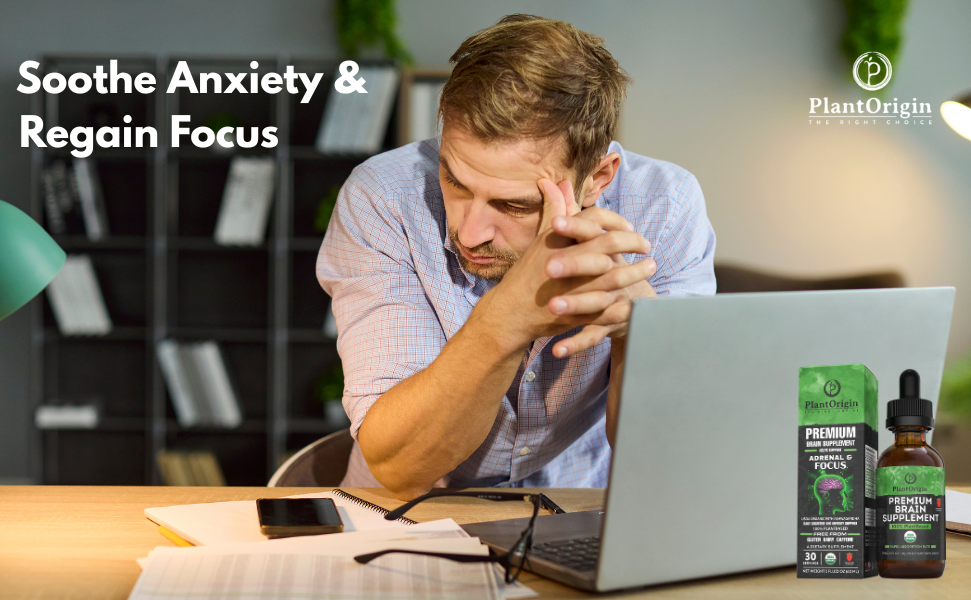
A message goes unanswered, and your mind imagines the worst. A deadline approaches, and even small tasks feel overwhelming. At bedtime, your body is tired—but your thoughts keep working overtime.
According to health care professionals, anxiety can make every day experiences feel urgent and threatening. Occasional worry is normal, but persistent anxiety can interfere with sleep, concentration, relationships, and work. Symptoms can worsen over time, making early awareness and appropriate support valuable. Experiencing anxiety is not a personal failure.
Self-soothing begins with noticing what you need in the moment. Small, repeatable habits can help you respond to anxious feelings with greater patience and steadiness.
RECOGNIZE THE SPIRAL BEFORE IT GATHERS SPEED
Anxiety does not always announce itself as fear. Sometimes it looks like repeatedly checking your phone, postponing decisions, snapping at someone you love, or struggling to concentrate.
Notice your early signals. Are your shoulders tightening? Are you replaying a conversation? Have you started predicting outcomes without enough information?
Try naming the experience gently: “I’m feeling anxious, and I can take one manageable step.” This gives you a moment to choose your response.
Sit comfortably, loosen your shoulders, and breathe slowly without forcing a large breath. Let your exhale last slightly longer than your inhale if that feels comfortable.
Continue for a minute or two. Avoid holding your breath or pushing through dizziness; return to your usual breathing if you feel uncomfortable.
Slow breathing is one relaxation technique that may help manage anxiety symptoms. Think of it as a brief pause before your next action.
- BRING YOUR ATTENTION BACK TO YOUR SURROUNDINGS
When thoughts race toward tomorrow’s problems, try a sensory grounding exercise:
Notice five things you can see.
Feel four things you can touch.
Listen for three sounds.
Notice two smells.
Identify one taste or take a sip of water.
Move through the exercise slowly. You do not need to perform it perfectly. The purpose is to give your attention something concrete in the present moment.
- RELEASE THE TENSION YOU ARE CARRYING
Notice whether you are clenching your jaw, gripping your hands, or lifting your shoulders.
Try gently tightening a comfortable muscle group for a few seconds, then releasing it. Move gradually through your hands, arms, shoulders, and legs, avoiding painful areas. Progressive muscle relaxation is a recognized relaxation practice.
You can also unclench your hands and let your shoulders settle while sitting at your desk.
- PUT YOUR WORRIES ON PAPER
A worry can feel enormous when it stays inside your head. Write down what is troubling you, then ask:
“What do I know?”
“What am I assuming?”
“What can I do today?”
If you are worried about a presentation, your next step might be rehearsing the opening. If you fear a misunderstanding, it might be arranging a calm conversation.
Journaling and questioning unhelpful thoughts are practical coping approaches recommended by the National Institute of Mental Health.
- SUPPORT YOUR BODY WITH EVERYDAY CONSISTENCY
According to health care experts, regular movement, nourishing meals, and a dependable sleep routine can support mental well-being. Notice whether excess caffeine makes you feel more restless or disrupts your sleep.
Start with something achievable: a short walk, a proper lunch, or a consistent bedtime. Small habits are easier to repeat when they fit your life.
- MAKE ROOM FOR A CALMER EVENING
Create a gentle transition between daytime demands and bedtime. Dim the lights, put work messages aside, and choose a quiet activity such as reading or listening to soothing music.
Keep a notebook nearby. If tomorrow’s responsibilities enter your thoughts, write down a reminder rather than trying to solve everything in bed.
Your evening routine should feel comforting and manageable—not like another performance target.
- PROTECT RELATIONSHIPS THROUGH CLEAR COMMUNICATION
Anxiety can make you withdraw or seek repeated reassurance. Give someone you trust a simple explanation: “I’m feeling overwhelmed today. A little patience and a listening ear would help.”
At work, divide a demanding task into smaller steps and begin with one clear action. Progress can start before you feel completely calm.
Reaching out for support is a useful part of coping with stress and anxiety.
WHERE PLANTORIGIN FITS INTO A WELLNESS ROUTINE
For adults considering a supplement as part of their wellness routine, PlantOrigin Premium Brain Supplement offers a botanical blend featuring ashwagandha, ginkgo biloba, ginseng, astragalus, rhodiola, wood betony, and licorice.
PlantOrigin Premium Brain Supplement is USDA Certified Organic, 100% plant-based, vegan, and Kosher. It is made in the USA in a certified organic facility, contains no coffee or alcohol, and is third-party tested.
Ashwagandha preparations have shown potential benefits for stress and sleep.
Ask a healthcare professional whether the blend is suitable for you, particularly if you take medication or have thyroid, blood pressure, heart, or kidney conditions. Ashwagandha should be avoided during pregnancy and breastfeeding.
If anxiety persists, leads you to avoid everyday activities, or interferes with relationships and work, speak with a healthcare professional. Effective treatments include psychotherapy, such as cognitive behavioral therapy, and medication when appropriate. Supplements and self-soothing exercises do not replace that care.
You do not have to solve every worry today. Begin with one gentle pause, one manageable action, and one honest conversation.
PLANTORIGIN THE RIGHT CHOICE
Find us here
www.plantorigin.com
Amazon.com
https://amzn.to/32wwGsO
https://amzn.to/39sURxZ
These statements have not been evaluated by the FDA. The product is not intended to diagnose, treat, cure or prevent any diseases

~ By Samina Mirza