THE FINAL RINSE: WHY COOLER WATER MAY BE THE SECRET TO SMOOTHER, SHINIER HAIR

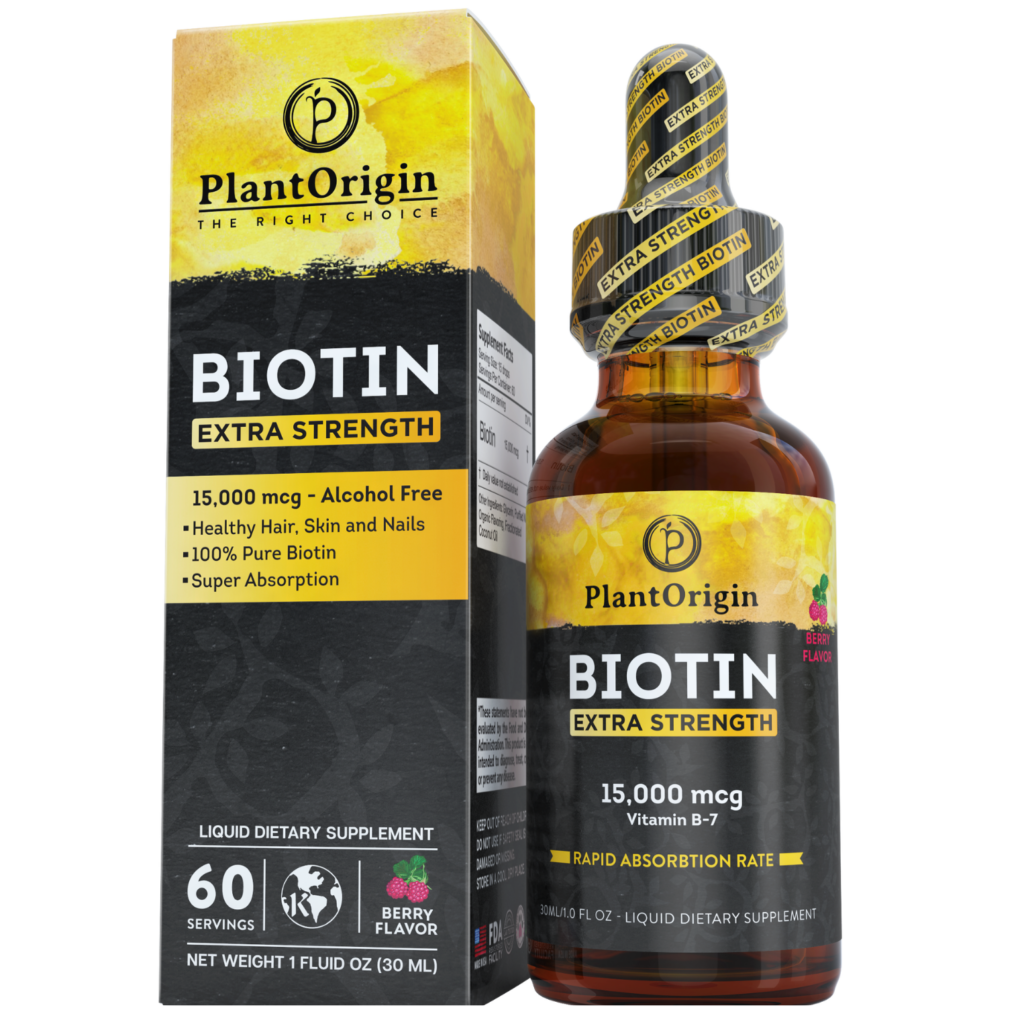
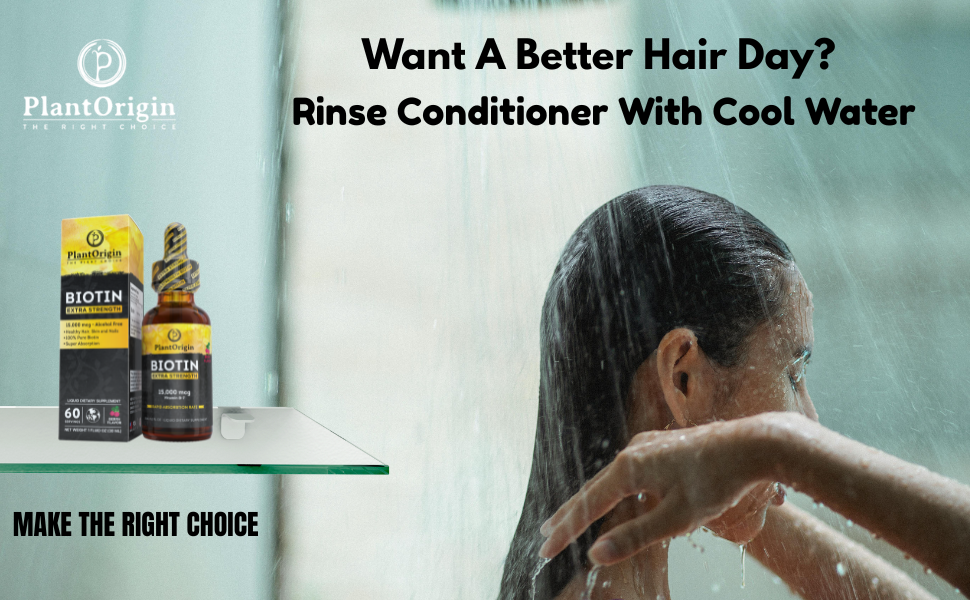
Woman rinsing conditioned hair with PlantOrigin.com cool water in the shower as part of a healthy hair-care routine designed to support smoother, shinier, less frizzy-looking hair and a comfortable scalp. PlantOrigin.com PlantOrigin Liquid Biotin,also known as vitamin B7, is an essential nutrient involved in normal macronutrient metabolism. A biotin deficiency can affect hair and nails. 
PlantOrigin Extra Strength Liquid Biotin provides 15,000 mcg of biotin in an easy-to-use liquid format. Made in the USA, it comes in a berry flavor and contains no sugar, stevia, or alcohol. The formula is vegan and kosher, and PlantOrigin states that it is manufactured in a certified organic facility using organic ingredients.

Your shampoo may be premium. Your conditioner may promise hydration, softness, and shine. But there is one small step at the end of your shower that can influence how your hair looks and feels: the temperature of your final rinse.

Warm water is comfortable—and useful during cleansing—but when it is time to rinse out your conditioner, turning the temperature down to cool or lukewarm may be a better choice for your hair and scalp.

WARM WATER FOR WASHING, COOLER WATER FOR THE FINAL RINSE

Hair is protected by an outer layer called the cuticle, made of overlapping cells that resemble roof shingles. Warm water can help loosen oils, dirt, and product buildup, allowing shampoo and surfactants to cleanse the hair and scalp effectively.
But very hot water can also increase dryness and remove more natural oils. When you have just applied a moisturizing conditioner, an excessively hot rinse may wash away more of the conditioning agents you want left deposited on the hair.
A cool-water hair rinse, by comparison, can remove excess conditioner while being gentler on the hair’s natural oils and the conditioning ingredients deposited on the strand.

The goal isn’t freezing water. A comfortably cool final rinse is enough.

CAN COLD WATER REALLY “SEAL” THE HAIR CUTICLE?

You may have heard that cold water “closes” the hair cuticle. This is a useful shorthand, although hair doesn’t literally open and close like a door.
Heat, water, chemical processing, friction, and changes in pH can influence the condition and arrangement of the cuticle. Using cooler water and minimizing excessive heat can help reduce swelling and leave the hair surface feeling smoother.

WHY DOES THAT MATTER?

When cuticle cells lie more smoothly, the hair can reflect light more evenly, creating the appearance of shinier, healthier-looking hair. A smoother surface can also mean less friction, tangling, and frizz.
For curly, wavy, dry, color-treated, or frizz-prone hair, that can be particularly valuable.

MORE MOISTURE, LESS FRIZZ

Conditioner is designed to improve lubrication, softness, manageability, and moisture retention. If your final rinse is extremely hot, you may counteract some of those benefits by stripping oils and increasing dryness.
Switching to cooler water after conditioning can help hair retain a smoother, more conditioned feel.
And anyone with curly hair knows the equation well: better moisture retention often means better curl definition and less frizz.

Follow your conditioner manufacturer’s directions—some formulas should be rinsed thoroughly, while leave-in products are specifically designed to remain on the hair.

YOUR SCALP MAY APPRECIATE COOLER WATER TOO

The benefits aren’t limited to the hair shaft.
Very hot showers can be irritating and drying, particularly for people with sensitive or already-dry scalps. Cooler or lukewarm water is generally gentler and may help reduce the sensation of dryness, tightness, itching, and heat-related irritation.
It can also feel wonderfully soothing after blow-drying, straightening, curling, or other styling routines that expose the scalp and hair to repeated heat.

However, cold water should not be considered a treatment for dandruff, scalp infections, or inflammatory scalp conditions. These may require appropriate scalp-care products or professional treatment.

WHAT ABOUT SCALP PH, DANDRUFF AND SEBUM?

Your scalp naturally maintains a mildly acidic environment and produces sebum, the natural oil that helps protect the scalp and hair. Very hot water and aggressive cleansing can remove excessive amounts of this oil, potentially leaving hair and scalp feeling dry.
Cooler water is less aggressive, so it may help preserve the scalp’s natural oils rather than stripping them away.

But cold water does not independently “balance” scalp pH, regulate sebaceous glands, prevent infections, or cure dandruff. Maintaining scalp health depends on a combination of appropriate cleansing, product selection, skin condition, lifestyle, and individual biology.
Think of cooler rinsing as a gentler hair-care practice, not a medical treatment.
Try the Warm-to-Cool Hair-Washing Method

FOR YOUR NEXT WASH DAY, TRY THIS SIMPLE ROUTINE:

Step 1: Cleanse with lukewarm water.
Wet your hair thoroughly and shampoo the scalp. Avoid excessively hot water.

Step 2: Condition strategically.
Apply conditioner according to your hair type and the product directions, concentrating on the mid-lengths and ends unless the formula is designed for scalp application.

Step 3: Turn down the temperature.
Use cool—not painfully cold—water for your final rinse.

Step 4: Handle wet hair gently.
Don’t aggressively rub hair with a towel. Blot or squeeze away excess water to minimize friction and breakage.

Step 5: Limit excessive heat.
If blow-drying, straightening, or curling, use an appropriate heat protectant and avoid unnecessarily high temperatures.

DON’T FORGET TO SUPPORT HAIR FROM WITHIN

Great-looking hair isn’t created by conditioner alone. Hair wellness also depends on nutrition, genetics, hormonal factors, scalp health, styling habits, and overall health. Remember, consistency is the key to healthier hair.

Biotin, also known as vitamin B7, is an essential nutrient involved in normal macronutrient metabolism. A biotin deficiency can affect hair and nails.
PlantOrigin Extra Strength Liquid Biotin provides 15,000 mcg of biotin in an easy-to-use liquid format. Made in the USA, it comes in a berry flavor and contains no sugar, stevia, or alcohol. The formula is vegan and kosher, and PlantOrigin states that it is manufactured in a certified organic facility using organic ingredients.

THE BOTTOM LINE

The smarter approach is simple: use comfortable lukewarm water for cleansing and finish your conditioning routine with cooler water. Combined with good conditioning, gentle drying, sensible heat styling, scalp care, balanced nutrition, and appropriate supplementation, this tiny temperature change can become part of a much bigger strategy for smoother, softer, shinier-looking hair.

Sometimes a better hair day really can begin with turning the shower dial a few degrees.

PLANTORIGIN THE RIGHT CHOICE

To Learn More Visit:

Amazon.com

PlantOrigin.com

https://amzn.to/32wwGsO

https://amzn.to/3gWz8gX

*These statements have not been evaluated by the FDA. The product is not intended to diagnose, treat, cure or prevent any diseases*

TRY THE PLANTORIGIN EXTRA STRENGTH BIOTIN
~ By Samina Mirza
IS HARD WATER SECRETLY RUINING YOUR HAIR? HOW MINERAL BUILDUP DISRUPTS SCALP HEALTH & WHAT YOU CAN DO ABOUT IT

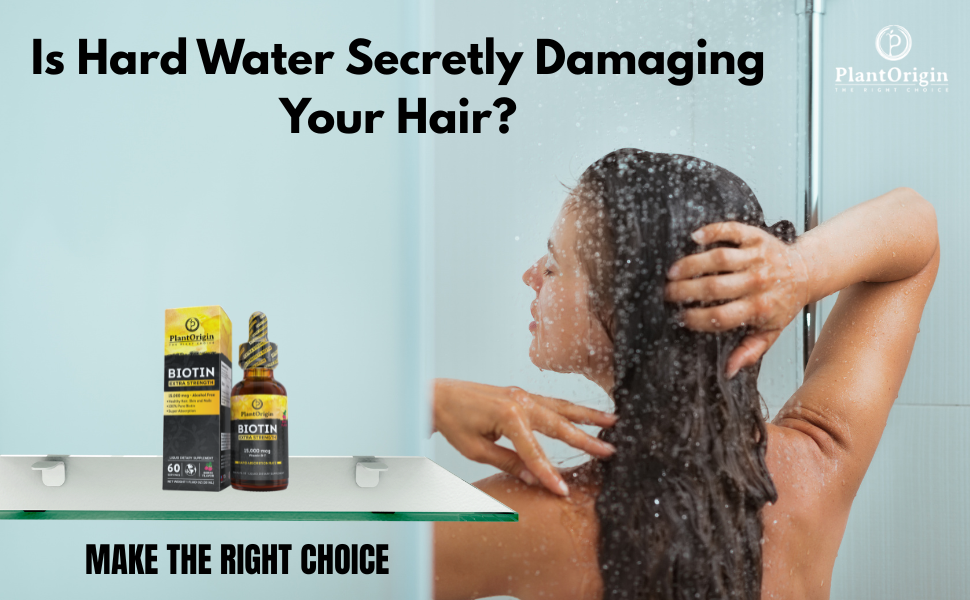
Healthy, shiny hair after reducing hard water mineral buildup with clarifying shampoo, deep conditioning & daily dose of PlantOrigin Extra Strength liquid biotin support for improved scalp health and hair. Healthy, shiny hair alongside PlantOrigin Extra Strength Liquid Biotin, highlighting a complete approach to hair wellness by reducing hard water buildup & supporting healthy hair from within. 
Healthy, shiny hair alongside PlantOrigin organic Vegan Extra Strength Liquid Biotin drops, highlighting a complete approach to hair wellness by reducing hard water buildup & supporting healthy hair from within. Healthy hair beside a filtered shower head, representing solutions for hard water hair damage removal & improved scalp health.
Infographic explaining how hard water affects hair &scalp, with tips for removing mineral buildup using clarifying shampoo, chelating shampoo, deep conditioning, & a filtered shower head. Plantorigin.com

Have you invested in premium shampoos, nourishing conditioners, hair masks, and styling products, yet your hair still feels dry, dull, rough, or lifeless? The problem may not be your haircare routine—it could be the water flowing through your shower.

Millions of homes receive hard water, which contains high levels of naturally occurring minerals such as calcium and magnesium. While these minerals are perfectly safe to drink, they can quietly accumulate on your scalp and hair over time, affecting everything from moisture balance to shine, softness, and manageability.

Understanding how hard water affects your hair is the first step toward restoring healthier, stronger locks.

WHAT IS HARD WATER?

According to experts, hard water contains dissolved minerals, primarily calcium and magnesium, picked up as groundwater passes through limestone, chalk, or other mineral-rich rocks.

Every time you shower microscopic mineral deposits gradually coat both the scalp and hair shaft. Unlike shampoo residue, these minerals don’t rinse away easily. Over weeks and months, they build into a stubborn layer that changes how your hair looks, feels, and behaves.

HOW HARD WATER DISRUPTS SCALP HEALTH

Healthy hair begins with a healthy scalp.

WHEN MINERAL DEPOSITS ACCUMULATE, THEY CAN INTERFERE WITH THE SCALP’S NATURAL BALANCE IN SEVERAL WAYS:

• The scalp may become dry and tight.
• Mineral residue can trap product buildup and dead skin cells.
• Natural oils may struggle to spread evenly across the scalp.
• Hair follicles may become surrounded by excess residue, making the scalp feel congested.
• The scalp’s protective barrier can become less balanced, leading to irritation in some individuals.

Although hard water itself doesn’t directly cause hair loss, an unhealthy scalp environment may contribute to increased breakage and make existing hair concerns more noticeable.
Hair fibers rely on moisture to remain flexible and resilient. Unfortunately, mineral buildup acts almost like a shield around each strand.

HOW HARD WATER COMPROMISES HAIR HEALTH AS CALCIUM AND MAGNESIUM ACCUMULATE:
SIGNS YOUR HAIR MAY BE AFFECTED BY HARD WATER

• Moisture struggles to penetrate the hair shaft.
• Conditioners become less effective.
• Hair loses softness and elasticity.
• Strands become rough, brittle, and difficult to detangle.
• Hair appears dull instead of shiny.
• Color-treated hair may fade more quickly.
• Curly hair often loses definition and becomes frizzy.
• Fine hair can feel heavy despite appearing dry.
Many people mistakenly respond by adding even more styling products, creating additional buildup that only compounds the problem.

YOU MAY BE DEALING WITH HARD WATER IF YOU NOTICE:

• Dry hair despite conditioning regularly
• Hair that feels coated or waxy
• Increased tangles
• Frizz that won’t settle
• Dull appearance
• Reduced volume
• Brittle ends
• Itchy or tight scalp
• Shampoo producing less lather than expected
If several of these symptoms sound familiar, your water—not your shampoo—may be the missing piece of the puzzle.

A SIMPLE PLAN TO COUNTERACT HARD WATER DAMAGE

The good news is that hard water damage can often be managed with a consistent routine.

  1. Use a Clarifying Shampoo
    Once every one to two weeks, use a clarifying shampoo designed to remove mineral deposits and product residue.
    Avoid overusing clarifying products, as excessive cleansing may strip away beneficial natural oils.
  2. Deep Condition Weekly
    Since mineral buildup reduces moisture absorption, replenishing hydration becomes essential.
    Choose rich conditioning masks containing moisturizing ingredients that help restore softness and improve hair elasticity.
  3. Finish with a Cool Rinse
    Cool water helps smooth the hair cuticle after washing, allowing hair to reflect more light while reducing frizz.
  4. Minimize Heat Styling
    Hair already stressed by mineral buildup becomes more vulnerable to heat damage.
    Allow hair to air dry whenever possible and always apply a heat protectant before using hot tools.
  5. Avoid Product Overload
    Heavy styling creams and oils can combine with mineral residue, making buildup even worse.
    Sometimes simplifying your routine leads to healthier hair.

NATURAL REMEDIES FOR MINERAL BUILDUP

Several simple home remedies may help remove surface residue.

Apple Cider Vinegar Rinse
Dilute one to two tablespoons of apple cider vinegar in a cup of water and pour it through freshly shampooed hair before rinsing.
Its mild acidity may help dissolve some mineral deposits while leaving hair smoother.

Hydrating Hair Masks
Ingredients such as aloe vera, honey, coconut milk, and avocado can help replenish moisture after clarifying treatments.

Upgrade Your Shower Head
One of the smartest long-term solutions is installing a filtered shower head.
Modern shower filters are inexpensive, easy to install, and require no plumbing expertise.

Depending on the filter design, they may help reduce:
Calcium
Magnesium
Chlorine
Sediment
Rust particles

Many people notice softer-feeling hair, improved scalp comfort, and better shampoo performance after switching to a filtered shower head.
Replace filter cartridges according to the manufacturer’s recommendations to maintain effectiveness.

NOURISH HAIR FROM WITHIN

Healthy hair isn’t built only from the outside—it also depends on proper nutritional support.
Alongside a healthy haircare routine, PlantOrigin Extra Strength Liquid Biotin provides nutritional support for stronger-looking hair, healthy nails, and beautiful skin.

PlantOrigin Liquid Biotin Drops deliver 15,000 MCG of liquid biotin in a delicious berry flavor for convenient daily use.

Unlike many supplements, it contains no sugar, no stevia, and no alcohol. It is also vegan, Kosher, manufactured in the USA in a certified organic facility, and made using organic ingredients.

SUPPORTING HEALTHY HAIR FROM WITHIN WHILE PROTECTING IT EXTERNALLY FROM HARD WATER CREATES A MORE COMPLETE HAIR WELLNESS ROUTINE.

Healthy Hair Start with Better Water
Sometimes healthier hair isn’t about buying another expensive shampoo—it begins with improving the water that touches your hair every day.

By removing mineral buildup, restoring moisture balance, using targeted cleansing treatments, upgrading your shower filter, and nourishing your body with quality nutrition, you create the ideal environment for healthier-looking hair and a happier scalp.

Small daily changes often produce the biggest long-term improvements.

If your hair has been feeling dull, dry, or difficult to manage, it may be time to look beyond your products—and take a closer look at your water.

PLANTORIGIN THE RIGHT CHOICE

To Learn More Visit:

Amazon.com

Plantorigin.com

*These statements have not been evaluated by the FDA. The product is not intended to diagnose, treat, cure or prevent any diseases*

#HairHealth #ScalpHealth #HardWater #HealthyHair #HairCareTips #HairWellness #Biotin #HealthyScalp #HairGrowthJourney #CleanBeauty #Wellness #OrganicLiving #PlantBased #VeganBeauty #MadeInUSA #HairCareRoutine #NaturalBeauty #BeautyFromWithin #PlantOrigin #HealthyLifestyle #Biotin #HairHealth #ScalpHealth #HardWater #HealthyHair #HairCare #HairWellness #DryHair #FrizzControl #ClarifyingShampoo #HealthyScalp #OrganicLiving #PlantBased #VeganWellness #HairTips #NaturalBeauty #PlantOrigin #MadeInUSA #Nailhealth #BeautyFromWithin #wellness #Skinhealth #Collagen #LiquidBiotin #Biotinliquidsupplement #veganbiotindrops #organicbiotinforhairskinandnails #Biotinforhairgrowth #biotinliquid #Biotinforskin #hairskinnails #Biotinforwomen #Biotinformen #Organicbiotin #plantoriginbiotin #Hardwaterhairdamage #Hardwaterandscalphealth #Mineralbuilduponhair #Mineralbuilduponhair #Healthyscalproutine #Haircaretips #Hairwellness #Liquidbiotinforhair #Veganbiotinsupplement #Strongerhealthierhair

By Samina Mirza