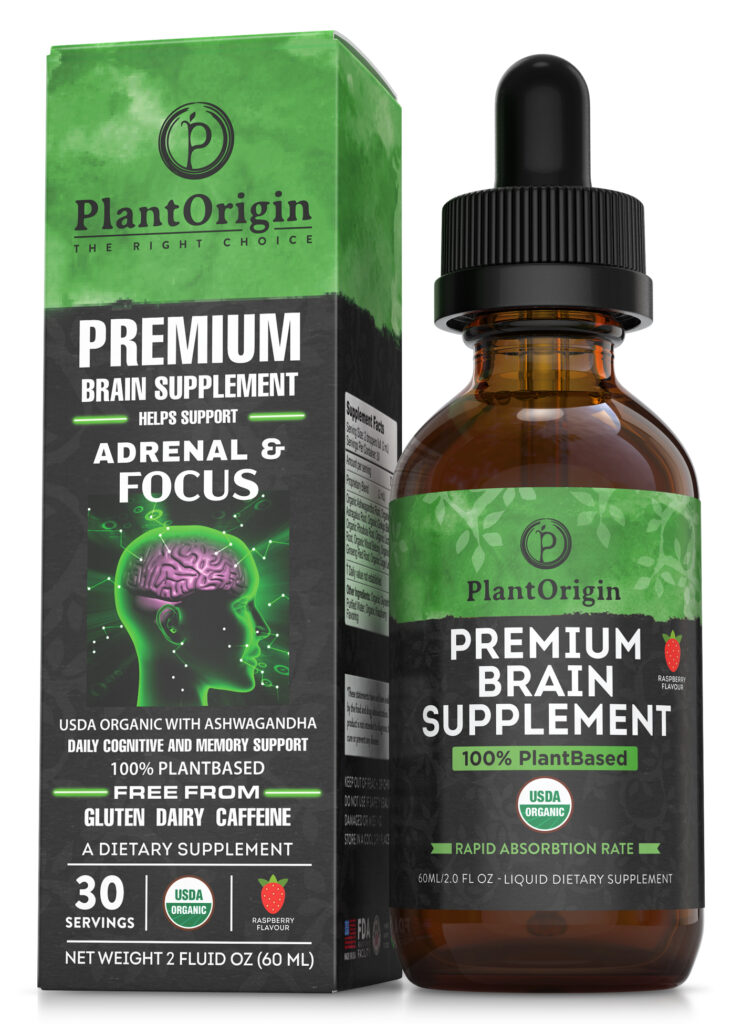
USDA Certified Organic brain supplement

LAUGH YOUR STRESS AWAY: HOW LAUGHTER THERAPY CAN CALM THE MIND AND BOOST BRAIN HEALTH

When was the last time you laughed so hard that, for a few moments, you forgot everything that was worrying you?

That feeling is more than a temporary escape. Laughter produces measurable physical and psychological responses, which is why laughter therapy and Laughter Yoga have become popular non-pharmacological approaches for supporting stress management, emotional well-being and relaxation.

The surprising part? You don’t necessarily need a joke—or even need to feel happy—to get started.

WHY LAUGHTER CAN BE THERAPEUTIC

Stress is not simply an emotion. When we perceive a threat or pressure, the body activates physiological stress responses involving the nervous system and hormones such as cortisol. Occasional stress is normal, but persistent stress can leave us feeling tense, mentally exhausted, distracted and unable to relax.
Laughter offers the body an opportunity to shift gears.

A hearty laugh changes breathing, engages muscles throughout the face and body and is followed by a period of muscular relaxation. Laughter is also associated with the release of feel-good neurochemicals, including endorphins, helping explain why we often feel lighter and more relaxed after laughing.

Research into laughter-based interventions suggests potential benefits for stress, anxiety, mood and psychological well-being. It should not replace appropriate medical or mental-health treatment, but it can be a valuable addition to a broader stress-management and wellness routine.

THE MIND-BODY BENEFITS OF LAUGHTER THERAPY

One of laughter therapy’s greatest advantages is its simplicity. It requires no special equipment and can be practiced individually or socially.

According to scientific research, regular laughter may help encourage relaxation, reduce perceived stress, improve mood and temporarily release physical tension. Laughing with other people also creates an important social dimension. Shared laughter can encourage connection, reduce feelings of isolation and make stressful situations seem more manageable.

There is another interesting benefit: laughter interrupts rumination. When your mind is trapped in repetitive worries, genuine laughter demands your attention. Even briefly breaking that mental loop can create psychological breathing room.

Think of laughter as a mini mental reset.

WHAT IS LAUGHTER YOGA?

Laughter Yoga combines intentional laughter exercises with yogic breathing techniques. Rather than waiting for something funny to happen, participants deliberately begin laughing.

It may feel artificial initially—and that is perfectly normal.

In a typical laughter class, simulated laughter often becomes spontaneous as participants make eye contact, move, breathe and hear other people laughing. The body does not require a brilliant punchline to participate in the physical act of laughter.

Laughter Yoga therefore treats laughing almost like a skill that can be practiced.

HOW TO PRACTICE LAUGHTER YOGA

• Start with just five to ten minutes.
• Stand or sit comfortably and take several slow, deep breaths. Inhale gently through your nose, allowing your abdomen to expand, then exhale slowly.
• Next, smile and begin with a soft “ha-ha-ha.” Don’t worry about whether it feels genuine. Gradually allow the sound to become fuller. Try raising your arms, gently moving your shoulders or walking around while laughing.
• Alternate short periods of laughter with deep breathing. You might laugh for 20–30 seconds, pause, breathe slowly and repeat.
• If you are practicing with others, make eye contact. Laughter can be remarkably contagious.
• Finish by returning to slow breathing and noticing how your body feels. Your shoulders may feel less tense, your breathing easier and your mood noticeably lighter.
• The objective isn’t to force happiness. It is to intentionally create a brief physical and mental break from tension.

MAKE LAUGHTER PART OF YOUR DAILY WELLNESS ROUTINE

You don’t need a formal class to develop a “laughter habit.”

Watch something that reliably makes you laugh. Spend time with people who bring humor into your life. Share funny memories. Play with children or pets. Call the friend who always makes you smile. You can even schedule a five-minute laughter break during a demanding day.

Like meditation, exercise or breathing techniques, consistency matters more than perfection.

A useful daily formula could be surprisingly simple: breathe deeply, move your body, laugh intentionally, connect with others and give your brain
opportunities to recover from constant stimulation.

SUPPORTING THE BRAIN FROM WITHIN

Mental wellness is rarely the result of one habit. Sleep, movement, nutrition, social connection, relaxation practices and stress-management techniques can work together to support cognitive and emotional well-being.

For people building a broader brain-wellness routine, PlantOrigin USDA Certified Organic Premium Brain Supplement provides a plant-based herbal formula designed to support mental and cognitive wellness, including focus, memory, learning, mental clarity, stress resilience and nighttime relaxation.

The formula contains Ashwagandha, Ginkgo Biloba, Ginseng, Astragalus, Rhodiola, Wood Betony and Licorice—botanicals traditionally used in herbal wellness practices.

PlantOrigin Premium Brain Supplement is USDA Certified Organic, 100% plant-based, Vegan and Kosher. It is made in the USA in a certified organic facility and is third-party tested. The liquid formula contains no coffee/caffeine and no alcohol, making it easy to incorporate into a clean, plant-focused wellness routine.

Your Brain Deserves More Laughter. Modern life gives us plenty of reasons to be serious. That may be precisely why intentional laughter deserves a place in our wellness routines.

Laughter Therapy and Laughter Yoga remind us that supporting mental health does not always have to be complicated. Sometimes an intentional laugh, a deep breath and a few minutes of human connection can help interrupt the stress cycle and change the tone of an entire day.

So the next time tension starts building, try something unexpectedly simple.

Take a deep breath—and laugh. Your mind and body may appreciate the break.

These statements have not been evaluated by the FDA. The product is not intended to diagnose, treat, cure or prevent any diseases

PLANTORIGIN THE RIGHT CHOICE

Find us here:
www.plantorigin.com
Amazon.com
Walmart.com

https://amzn.to/32wwGsO
https://amzn.to/39sURxZ

TRY THE PLANTORIGIN PREMIUM BRAIN SUPPLEMENT

~ By Samina Mirza
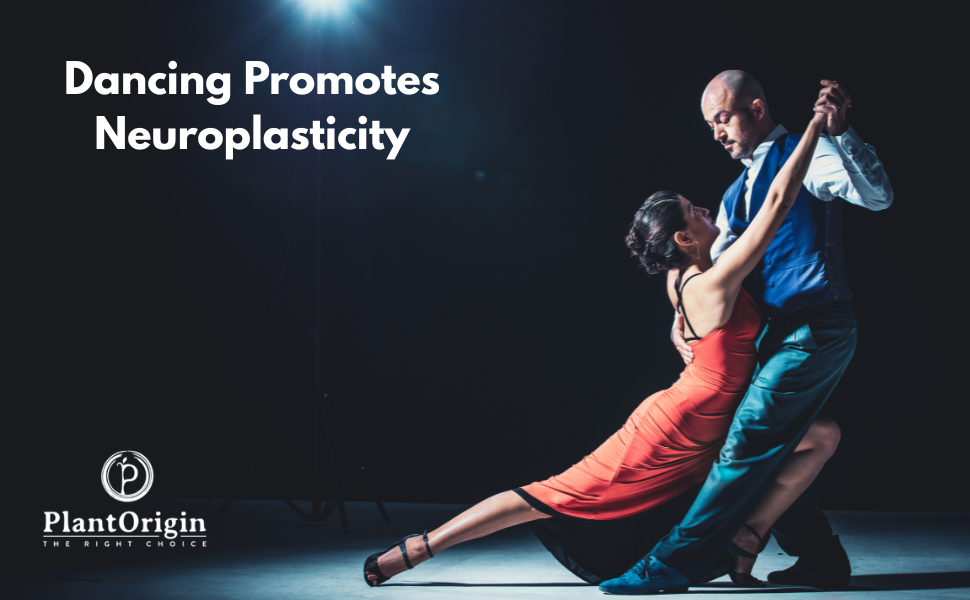
DANCE YOUR WAY TO A HEALTHIER BRAIN: WHY DANCING IS A WORKOUT FOR THE MIND

Person dancing joyfully to music, representing how dancing can support brain health, memory, focus, coordination, mental clarity, mood and cognitive wellness through movement and music.

When we think about keeping the brain healthy, activities such as reading, puzzles, meditation, exercise, and learning new skills usually come to mind. But there is another activity that combines many of these benefits at once—and it happens to be a lot more fun.

DANCING.

Whether it is ballroom dancing, salsa, line dancing, Zumba, hip-hop, or simply moving around your living room to a favorite song, dancing engages the body and brain simultaneously and promotes Neuroplasticity.

Unlike repetitive forms of exercise, dancing can require you to listen, remember, anticipate, coordinate, balance, react, and make decisions—all while moving to a rhythm. That combination makes dancing an unusually rich form of mental and physical stimulation.

WHY IS DANCING SO GOOD FOR THE BRAIN?

  1. Dancing Gives Your Brain Multiple Jobs at Once

Learning a dance sequence is essentially a cognitive exercise disguised as entertainment.
Your brain must remember what comes next, coordinate the movements of different parts of your body, follow the beat, adjust your position and sometimes respond to a partner or other dancers.
This combination challenges memory, attention, spatial awareness, coordination and executive function.
Learning unfamiliar choreography may be particularly useful because the brain cannot simply operate on autopilot. You must pay attention and create new movement patterns.

  1. It Combines Exercise with Mental Stimulation

Physical activity supports cardiovascular health and blood circulation, including circulation to the brain. Dancing adds another dimension because movement is combined with learning and decision-making.
Instead of simply repeating the same motion, many forms of dance continually ask, what comes next?
That mental challenge is one reason dancing can be considered both a physical workout and a form of brain training.

  1. Dancing Challenges Memory

Try learning even a short dance routine and you quickly discover how much memory is involved.
Step forward. Turn. Step back. Change direction. Repeat.
Remembering sequences challenges working memory while repetition gradually helps movements become familiar. Learning new routines periodically keeps introducing fresh cognitive demands.
You don’t have to become an expert dancer. In fact, being a beginner can be valuable because learning something unfamiliar forces the brain to concentrate.

  1. Music Adds Another Layer of Brain Engagement

Music itself can activate networks involved in emotion, memory, attention and movement. Add physical movement and the experience becomes even more multidimensional.
Rhythm helps the brain predict timing, while matching movement to music requires continuous communication between sensory and motor systems.
A familiar song can also trigger memories and emotions—which explains why hearing an old favorite can suddenly transport you back to another time.

  1. Dancing Can Lift Your Mood

According to science, dancing deserves a place in a brain-health routine because it feels good!
You aren’t staring at a screen, answering emails or checking notifications. You are paying attention to the music and what your body is doing right now.
That makes dancing a surprisingly effective way to mentally disconnect from the day’s pressures.
Wellness experts and scientists have concluded that dancing help reduce everyday stress. The dance moves, enjoyable music and social interaction can all contribute to emotional well-being. Dancing also provides something that many wellness routines lack—playfulness.

  1. Balance and Coordination Keep the Brain Working

Dancing requires constant communication between the brain and body.
Changing direction, shifting weight, turning and coordinating the arms and legs challenge balance and proprioception—your awareness of where your body is in space.
The more complicated the dance, the more your brain must continually process and adjust your movements.

  1. Social Dancing Adds Connection

Take a dance class and another important ingredient appears, social interaction.
Partner and group dancing involve communication, observation, cooperation and connection. Social engagement is itself an important component of healthy aging, longevity and overall well-being.
A dance class can therefore combine several positive lifestyle habits in one activity: exercise, learning, music, social connection and enjoyment.

A SIMPLE BRAIN-HEALTHY DANCING PLAN
You don’t need hours of choreography every day. Consistency matters more than perfection.

• Start with 10 minutes. Put on three favorite songs and keep moving until they finish.
• Dance three to five times per week. Alternate between free dancing and structured routines.
• Learn something new once a week. Try salsa, ballroom, line dancing, Zumba or an online choreography lesson. Novelty increases the cognitive challenge.
• Challenge your memory. Learn four or five steps without constantly watching the instructor. Pause the video and see whether you can reproduce the sequence yourself.
• Change the music. Switching between slower and faster rhythms challenges timing and coordination differently.
• Make it social. Dance with your partner, friends or family, or join a class. The goal isn’t flawless technique. It is movement, learning and enjoyment.

You don’t have to be a good dancer for dancing to be good for you.

SUPPORT YOUR BRAIN BEYOND THE DANCE FLOOR AND MAKE NUTRITION A PART OF THAT ROUTINE.

Dancing works best as part of a broader brain-friendly lifestyle that includes adequate sleep, hydration, nutritious foods, physical activity, mental challenges, stress management and meaningful social interaction.

PlantOrigin USDA Certified Organic Premium Brain Supplement is a plant-based liquid formula designed to support mental and cognitive wellness, including focus, memory, learning, mental clarity, everyday stress support and nighttime relaxation.

Its herbal blend includes Ashwagandha, Ginkgo Biloba, Ginseng, Astragalus, Rhodiola, Wood Betony and Licorice. The formula is USDA Certified Organic, 100% plant-based, Vegan and Kosher. It contains no coffee/caffeine or alcohol, is manufactured in the USA in a certified organic facility and is third-party tested.

Rather than relying on any single habit or supplement, think of brain health as a collection of supportive daily choices.

THE TAKEAWAY: YOUR BRAIN LOVES TO MOVE

A healthy brain needs more than rest. It needs stimulation.

Dancing provides stimulation in an unusually enjoyable package. You’re exercising while practicing memory. You’re listening while coordinating movement. You’re making rapid decisions while following rhythm. And if you’re dancing with others, you’re adding social connection to the mix.

So the next time your brain feels overloaded after a long day, don’t automatically reach for another screen.
Turn on your favorite song and dance.

Ten minutes may be enough to change the energy of your evening—and over time, those small moments of movement, learning and enjoyment can become part of a much bigger commitment to lifelong brain health and longevity.

After all, one of the most enjoyable ways to exercise your brain may be to simply give it a beat to follow.

TRY PLANTORIGIN PREMIUM BRAIN SUPPLEMENT

TO LEARN MORE

WWW.PLANTORIGIN.COM

~ By Samina Mirza