
DANCE YOUR WAY TO A HEALTHIER BRAIN: WHY DANCING IS A WORKOUT FOR THE MIND
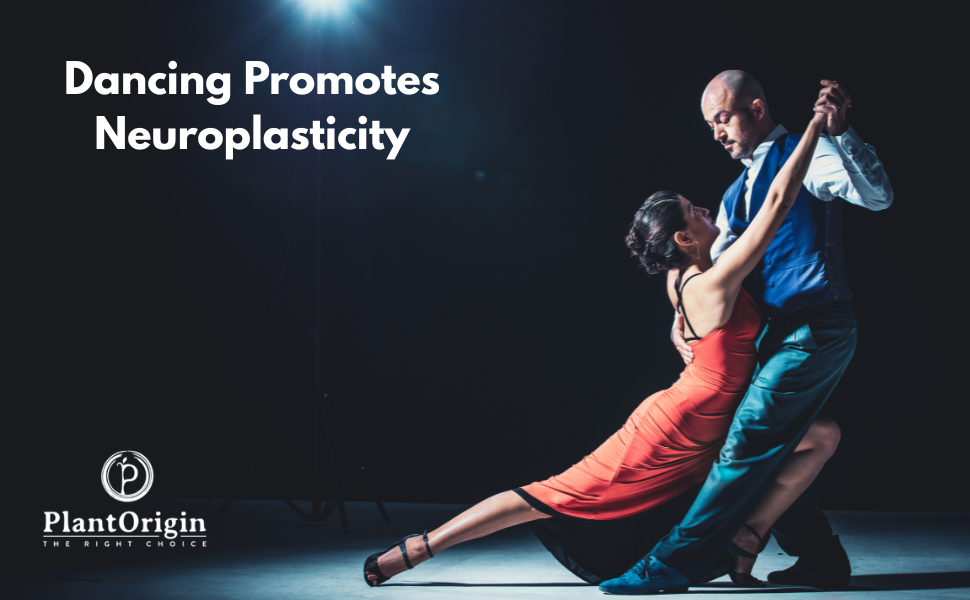
When we think about keeping the brain healthy, activities such as reading, puzzles, meditation, exercise, and learning new skills usually come to mind. But there is another activity that combines many of these benefits at once—and it happens to be a lot more fun.
DANCING.
Whether it is ballroom dancing, salsa, line dancing, Zumba, hip-hop, or simply moving around your living room to a favorite song, dancing engages the body and brain simultaneously and promotes Neuroplasticity.
Unlike repetitive forms of exercise, dancing can require you to listen, remember, anticipate, coordinate, balance, react, and make decisions—all while moving to a rhythm. That combination makes dancing an unusually rich form of mental and physical stimulation.
WHY IS DANCING SO GOOD FOR THE BRAIN?
- Dancing Gives Your Brain Multiple Jobs at Once
Learning a dance sequence is essentially a cognitive exercise disguised as entertainment.
Your brain must remember what comes next, coordinate the movements of different parts of your body, follow the beat, adjust your position and sometimes respond to a partner or other dancers.
This combination challenges memory, attention, spatial awareness, coordination and executive function.
Learning unfamiliar choreography may be particularly useful because the brain cannot simply operate on autopilot. You must pay attention and create new movement patterns.
- It Combines Exercise with Mental Stimulation
Physical activity supports cardiovascular health and blood circulation, including circulation to the brain. Dancing adds another dimension because movement is combined with learning and decision-making.
Instead of simply repeating the same motion, many forms of dance continually ask, what comes next?
That mental challenge is one reason dancing can be considered both a physical workout and a form of brain training.
- Dancing Challenges Memory
Try learning even a short dance routine and you quickly discover how much memory is involved.
Step forward. Turn. Step back. Change direction. Repeat.
Remembering sequences challenges working memory while repetition gradually helps movements become familiar. Learning new routines periodically keeps introducing fresh cognitive demands.
You don’t have to become an expert dancer. In fact, being a beginner can be valuable because learning something unfamiliar forces the brain to concentrate.
- Music Adds Another Layer of Brain Engagement
Music itself can activate networks involved in emotion, memory, attention and movement. Add physical movement and the experience becomes even more multidimensional.
Rhythm helps the brain predict timing, while matching movement to music requires continuous communication between sensory and motor systems.
A familiar song can also trigger memories and emotions—which explains why hearing an old favorite can suddenly transport you back to another time.
- Dancing Can Lift Your Mood
According to science, dancing deserves a place in a brain-health routine because it feels good!
You aren’t staring at a screen, answering emails or checking notifications. You are paying attention to the music and what your body is doing right now.
That makes dancing a surprisingly effective way to mentally disconnect from the day’s pressures.
Wellness experts and scientists have concluded that dancing help reduce everyday stress. The dance moves, enjoyable music and social interaction can all contribute to emotional well-being. Dancing also provides something that many wellness routines lack—playfulness.
- Balance and Coordination Keep the Brain Working
Dancing requires constant communication between the brain and body.
Changing direction, shifting weight, turning and coordinating the arms and legs challenge balance and proprioception—your awareness of where your body is in space.
The more complicated the dance, the more your brain must continually process and adjust your movements.
- Social Dancing Adds Connection
Take a dance class and another important ingredient appears, social interaction.
Partner and group dancing involve communication, observation, cooperation and connection. Social engagement is itself an important component of healthy aging, longevity and overall well-being.
A dance class can therefore combine several positive lifestyle habits in one activity: exercise, learning, music, social connection and enjoyment.
A SIMPLE BRAIN-HEALTHY DANCING PLAN
You don’t need hours of choreography every day. Consistency matters more than perfection.
• Start with 10 minutes. Put on three favorite songs and keep moving until they finish.
• Dance three to five times per week. Alternate between free dancing and structured routines.
• Learn something new once a week. Try salsa, ballroom, line dancing, Zumba or an online choreography lesson. Novelty increases the cognitive challenge.
• Challenge your memory. Learn four or five steps without constantly watching the instructor. Pause the video and see whether you can reproduce the sequence yourself.
• Change the music. Switching between slower and faster rhythms challenges timing and coordination differently.
• Make it social. Dance with your partner, friends or family, or join a class. The goal isn’t flawless technique. It is movement, learning and enjoyment.
You don’t have to be a good dancer for dancing to be good for you.
SUPPORT YOUR BRAIN BEYOND THE DANCE FLOOR AND MAKE NUTRITION A PART OF THAT ROUTINE.
Dancing works best as part of a broader brain-friendly lifestyle that includes adequate sleep, hydration, nutritious foods, physical activity, mental challenges, stress management and meaningful social interaction.
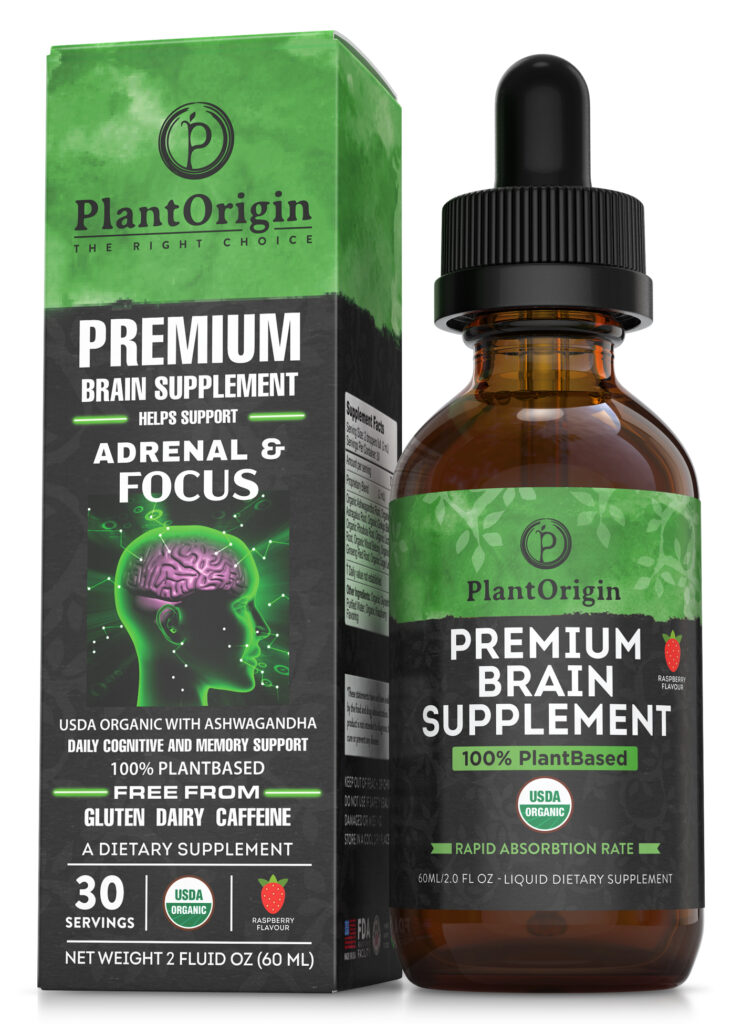
PlantOrigin USDA Certified Organic Premium Brain Supplement is a plant-based liquid formula designed to support mental and cognitive wellness, including focus, memory, learning, mental clarity, everyday stress support and nighttime relaxation.
Its herbal blend includes Ashwagandha, Ginkgo Biloba, Ginseng, Astragalus, Rhodiola, Wood Betony and Licorice. The formula is USDA Certified Organic, 100% plant-based, Vegan and Kosher. It contains no coffee/caffeine or alcohol, is manufactured in the USA in a certified organic facility and is third-party tested.
Rather than relying on any single habit or supplement, think of brain health as a collection of supportive daily choices.
THE TAKEAWAY: YOUR BRAIN LOVES TO MOVE
A healthy brain needs more than rest. It needs stimulation.
Dancing provides stimulation in an unusually enjoyable package. You’re exercising while practicing memory. You’re listening while coordinating movement. You’re making rapid decisions while following rhythm. And if you’re dancing with others, you’re adding social connection to the mix.
So the next time your brain feels overloaded after a long day, don’t automatically reach for another screen.
Turn on your favorite song and dance.
Ten minutes may be enough to change the energy of your evening—and over time, those small moments of movement, learning and enjoyment can become part of a much bigger commitment to lifelong brain health and longevity.
After all, one of the most enjoyable ways to exercise your brain may be to simply give it a beat to follow.
TRY PLANTORIGIN PREMIUM BRAIN SUPPLEMENT
WWW.PLANTORIGIN.COM
~ By Samina Mirza